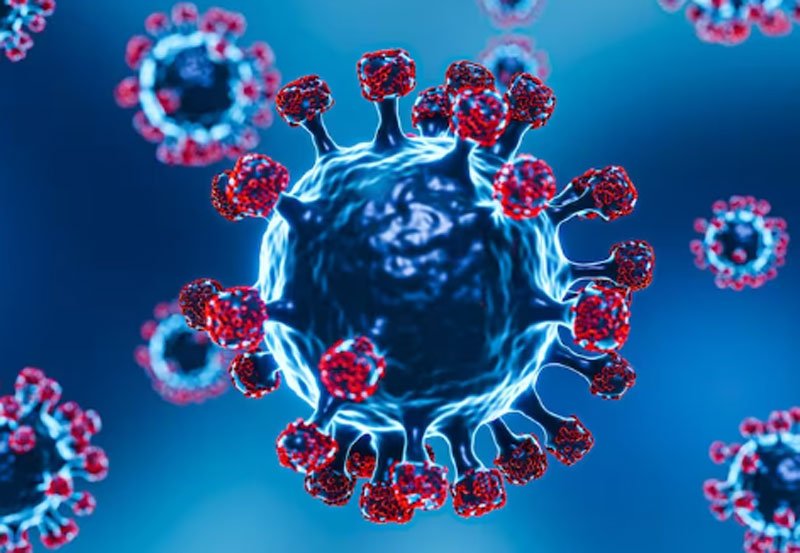
In response to the recent detection of a highly transmissible and immune-evasive COVID variant in Kerala, India, health authorities in Sri Lanka have heightened their vigilance and implemented precautionary measures to safeguard the nation.
The variant, identified as JN.1, has raised concerns globally, prompting the Union Ministry of Health in India to initiate preparedness measures on December 16. In light of this, a mock drill is currently underway in health facilities across states, assessing public health and hospital readiness.
Sri Lanka's COVID-19 Coordinator, Dr. Anwar Hamdani, emphasized the Ministry's continuous state of alertness regarding potential threats posed by new diseases emerging in foreign countries. Speaking to the Daily Mirror, Dr. Hamdani stated, "As far as the new sub-variant spreading in Kerala is concerned, we are vigilant and monitoring the situation."
He urged the public to seek immediate medical attention if experiencing symptoms such as fever, runny nose, sore throat persisting over 48 hours. Additionally, Dr. Hamdani advised citizens to cover themselves, wear masks, and undergo testing promptly to minimize the risk of infection.
The JN.1 variant, identified as a subvariant of Omicron (BA.2.86 or Pirola), was first detected in the United States in September 2023. China reported seven infections of this subvariant on December 15, according to a Reuters report. The variant has since spread to 38 countries, including India, the United States, the United Kingdom, Iceland, Spain, Portugal, and the Netherlands, contributing to a surge in hospitalizations.
Experts have expressed concerns about the variant's ability to spread rapidly and evade immunity. Described as "severely immune-evasive," JN.1 differs significantly from previous versions of the virus, including XBB. Common symptoms include fever, runny nose, sore throat, headache, and, in some cases, mild gastrointestinal symptoms. Doctors stress that most patients experience mild upper respiratory symptoms that typically improve within four to five days. Sri Lanka remains on high alert as the global community monitors the evolving situation surrounding the JN.1 variant.