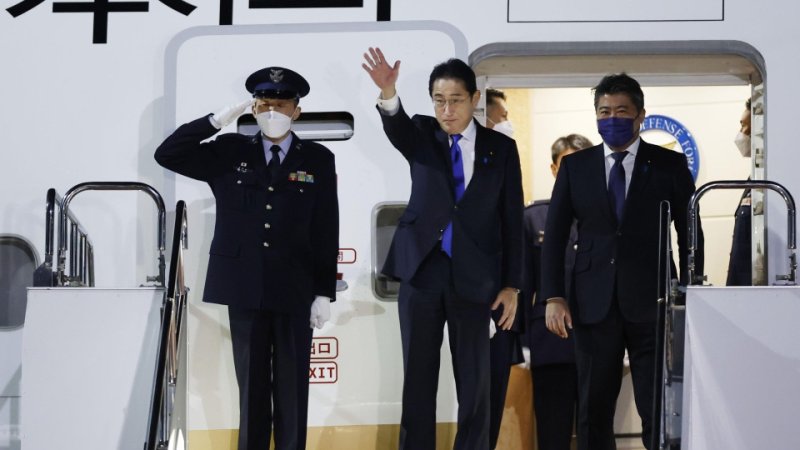
Japanese Prime Minister Fumio Kishida is preparing for a whirlwind diplomatic tour in South Asia, as sources confirm a scheduled one-day official trip to Sri Lanka following his participation in the G-20 Summit in New Delhi. This move underscores Japan’s keen interest in strengthening ties with the region, particularly as the geopolitical dynamics of the Indian Ocean become increasingly significant.
Prime Minister Kishida’s visit to the Indian subcontinent demonstrates Tokyo’s intent to further consolidate its relationships with major players in South Asia. While the G-20 Summit provides an international platform for discussing global economic issues, his subsequent journey to Sri Lanka offers a dedicated space for bilateral talks, focusing on specific regional challenges and opportunities.
Sri Lanka, with its strategic position in the Indian Ocean, has been a beneficiary of Japanese development aid for years. The visit by the Japanese leader is expected to rejuvenate this long-standing partnership. High on the agenda are talks surrounding Sri Lanka’s debt restructuring. As the island nation grapples with economic challenges, Japan’s support in navigating the financial waters will be of paramount importance.
Additionally, the meeting will probe into future investment prospects. The engagement is not just about financial aid but also about exploring sustainable ventures that can mutually benefit both nations. Given Japan’s technological advancements and Sri Lanka’s emerging market potential, there are multiple sectors where collaborative efforts can be channeled.
In these discussions, Prime Minister Kishida is set to meet with top Sri Lankan government officials, including the President. These high-level talks symbolize the weight Japan places on its relationship with Sri Lanka, looking beyond immediate financial discussions towards a sustainable, strategic partnership in the long term.
While specific details of the potential agreements or understandings remain under wraps until the talks conclude, the international community will be keenly watching. The outcomes could potentially set a precedent for Japan’s engagement model with other nations in the region