Humanitarians have no other purpose than to save and protect lives and deliver the basic necessities of life, they stand shoulder to shoulder with the communities they serve and bring hope.
This year, our World Humanitarian Day campaign brings together the global humanitarian community to mark the twentieth anniversary of the attack on the UN headquarters in Baghdad, Iraq, and to show our unwavering commitment to deliver for the communities we serve, no matter who, no matter where and #NoMatterWhat.
On 19 August, we come together to honour humanitarians around the world who strive to meet ever-growing global needs. No matter the danger or the hardship, humanitarians venture deep into disaster-stricken regions and on the front lines of conflict, strive to save and protect people in need.
Humanitarians are united by a shared mission to save and protect lives. They will never compromise on the humanitarian principles, and always strive to make the best decisions for the people they serve. However, Humanitarian work is difficult and dangerous, but we don't give up on our commitment to overcome the challenges and deliver life-saving assistance to people in need, #NoMatterWhat.
Our core principles are humanity, impartiality, neutrality and independence. Join our campaign and learn more about these rinciples that guide their work.
On 19 August 2003, a bomb attack on the Canal Hotel in Baghdad, Iraq, killed 22 humanitarian aid workers, including the UN Special Representative of the Secretary-General for Iraq, Sergio Vieira de Mello. Five years later, the United Nations General Assembly adopted a resolution designating 19 August as World Humanitarian Day (WHD).
Each year, WHD focuses on a theme, bringing together partners from across the humanitarian system to advocate for the survival, well-being and dignity of people affected by crises, and for the safety and security of aid workers.
For this year’s WHD, we show the importance, effectiveness and positive impact of humanitarian work.
In 2021, 235 million people will need humanitarian assistance and protection. This number has risen to 1 in 33 people worldwide - a significant increase from 1 in 45 at the launch of the Global Humanitarian Overview 2020, which was already the highest figure in decades. The UN and partner organizations aim to assist 160 million people most in need across 56 countries and will require a total of $35 billion to do so.
Conflict and insecurity in countries such as South Sudan and its neighbour to the north are set to make 2023 another year of high death tolls and and injuries for aid workers in the field, the UN warned on Thursday.
Since the start of the year, 62 aid workers have been killed, 84 have been wounded and 34 kidnapped, the UN said, citing provisional data from the independent research organization Humanitarian Outcomes. Last year, the death toll reached 116.
This year’s commemoration of World Humanitarian Day also marks 20 years since the suicide bombing of the UN Headquarters in the Canal Hotel in Baghdad, Iraq.
Twenty-two staff were killed in the attack, among them Sérgio Vieira de Mello, the UN High Commissioner for Human Rights and head of the UN Mission in the country. More than 150 local and international aid workers were injured.
“World Humanitarian Day and the Canal Hotel bombing will always be an occasion of mixed and still raw emotions for me and many others,” said the UN’s humanitarian chief, Martin Griffiths.
“Every year, nearly six times more aid workers are killed in the line of duty than were killed on that dark day in Baghdad, and they are overwhelmingly local aid workers. Impunity for these crimes is a scar on our collective conscience,” he added.
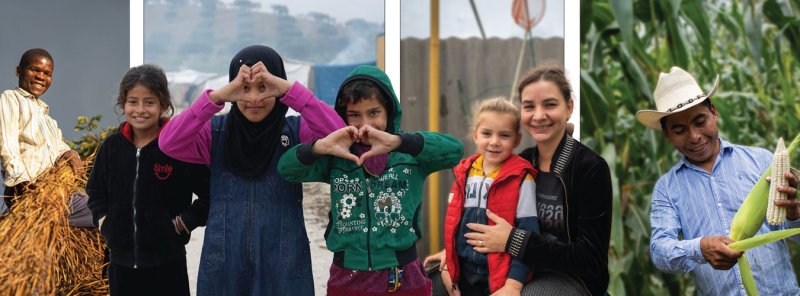 World Humanitarian Day