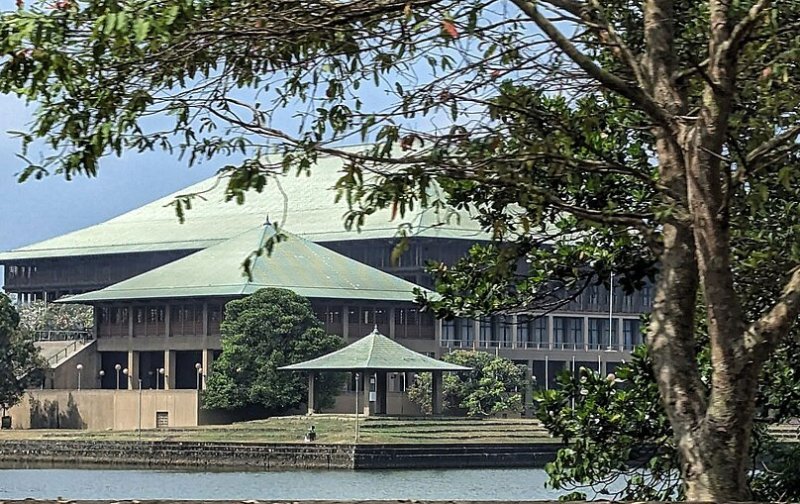
Sri Lanka’s Parliament is set to conclude its intense two-day debate and cast a crucial vote today on the highly contested 22nd Amendment to the Constitution.
Backed by President Anura Kumara Dissanayake’s ruling National People's Power (NPP) government, which holds a commanding 159-seat supermajority in the 225-member House, the legislation is widely expected to pass. The amendment, along with the companion Judicature (Amendment) Bill, aims to fundamentally alter the retirement parameters and structural capacity of the nation’s judiciary, paving the way for immediate constitutional changes.
The core provisions of the 22nd Amendment focus exclusively on the highest echelons of the judicial system. If enacted, the legislation will extend the mandatory retirement age for Supreme Court judges from 65 to 67 years, and for Court of Appeal judges from 63 to 65 years. Additionally, it will increase the total number of appellate judges from 20 to 25.
The accompanying Judicature Bill addresses the lower courts, proposing an increase in the retirement age for judges in the High Courts, District Courts, and Magistrates' Courts to 62 years. A specific clause also caps the Chief Justice's tenure at six years or the age of 67, whichever occurs first, though the Supreme Court mandated that this term limit will not apply to the incumbent holding office when the Act comes into operation.
A major constitutional hurdle for the legislation was cleared earlier this week when Speaker Jagath Wickramaratne announced the Supreme Court’s determination on the bills. Following challenges from over 60 petitioners, the apex court ruled that the 22nd Amendment does not infringe upon the sovereignty of the people and therefore does not require approval through a nationwide public referendum.
The Court determined that the bill can become law solely through a special two-thirds majority in Parliament, while the Judicature Amendment requires only a simple majority.
The government insists that the amendment is a structural necessity rather than a political maneuver. The primary justification offered by the administration is the urgent need for efficiency, as Sri Lanka’s judicial system is currently groaning under a massive backlog estimated at more than 1.1 million cases.
By keeping experienced judges on the bench longer and increasing the capacity of the Court of Appeal, the government argues it can expedite case resolutions, improve systemic efficiency, and deliver delayed justice to citizens.
However, the legislation has faced fierce resistance from the Bar Association of Sri Lanka (BASL), opposition legislators, and various civil society groups. Opponents argue that allowing the executive branch to unilaterally alter the tenures of sitting judges risks undermining judicial independence. Critics have framed the amendment as a "direct assault" on the courts, expressing concerns that it gives the executive president greater scope to influence the functioning of the judiciary.
The move has also drawn international scrutiny, with the Commonwealth Lawyers Association and the UN Special Rapporteur on the independence of judges and lawyers, Margaret Satterthwaite, expressing formal concerns over the proposed extensions.
Given the NPP's overwhelming parliamentary stronghold, securing the required 150 votes is highly likely. If the amendment is passed and subsequently certified by the Speaker today, the impacts will be immediate.
Sitting Supreme Court and Court of Appeal judges who are nearing their mandatory retirement will automatically have their careers extended by two years, and the government will gain the authority to appoint five new judges to the expanded appellate court.