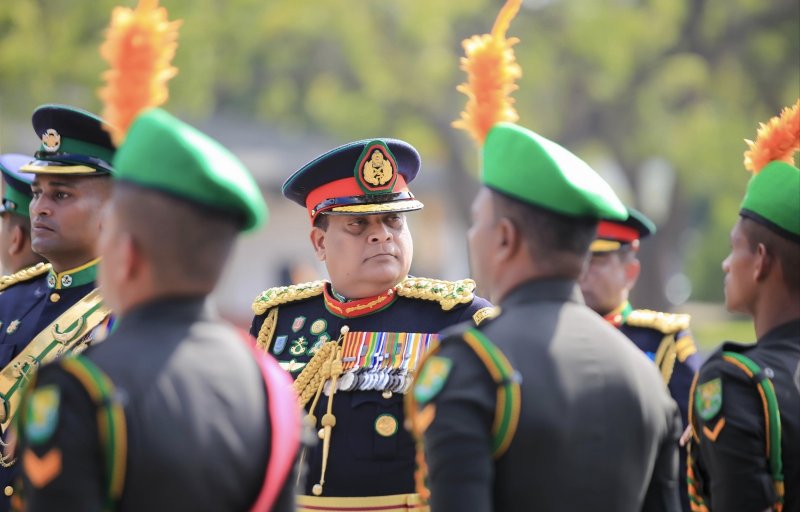
Former Army Commander and Chief of Defence Staff General Shavendra Silva has reflected on his military career, the final stages of Sri Lanka’s civil war and the international allegations and sanctions he has faced.
Speaking in an interview with the India-based “Impact Stories” interview series, Silva recalled his early life and the influence of his parents on his career. His mother was an English teacher, while his father served as chairman of the Sri Lanka Transport Board.
He also highlighted his early leadership experiences at school, where he captained several cricket teams, including the Under-12, Under-13, Under-15 and Under-19 sides. He said he was appointed to lead his school platoon in cadet training while still in Grade 8 and became head prefect in Grade 10.
Silva described May 18, 2009, as the most emotional and defining moment of his life. At the time, he was a division commander involved in the final military operations of the civil war.
He recalled personally informing the then Army Commander that the final area of territory had been secured and that the conflict had come to an end.
Reflecting on the impact of the decades-long conflict on civilians, Silva said the end of the war brought peace and freedom to communities across the country. He recalled how some families had even travelled in separate vehicles during the conflict, fearing that a single bomb attack could claim the lives of entire families.
Silva also addressed international criticism of his role during the final stages of the war. He maintained that he had committed no wrongdoing and said his actions were carried out in accordance with military law and in the interest of protecting the country.
He referred to sanctions imposed on him by the United States and the United Kingdom and rejected allegations of misconduct. He also pointed to the rehabilitation of around 12,000 former LTTE cadres who surrendered or were captured during the conflict as an example of the treatment provided to former combatants.
Silva further challenged international media portrayals of the final phase of the war, calling for greater dialogue and engagement rather than reliance on what he described as unverified third-party accounts.
Turning to Sri Lanka-India defence relations, Silva spoke of the longstanding cultural and professional ties between the two countries' armed forces.
He expressed appreciation for support provided by successive Indian Army chiefs, including assistance during periods when the Sri Lankan military faced shortages of essential logistics and vehicles.
Silva also highlighted his personal relationships with members of India's defence establishment and stressed the importance of continued military cooperation between the two countries for regional stability.