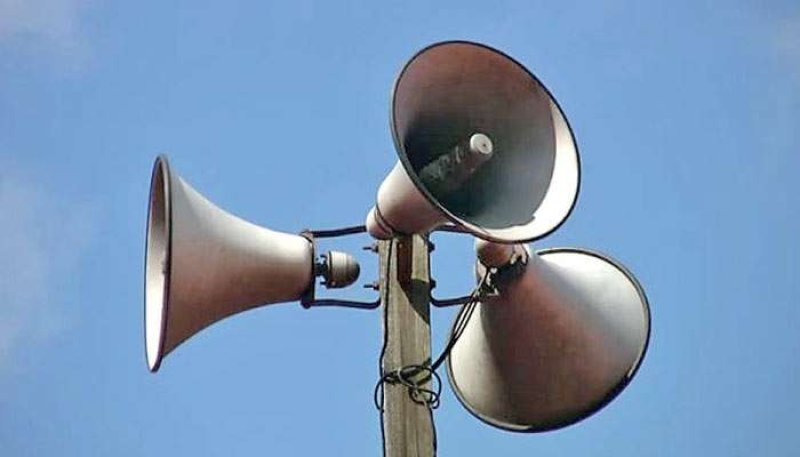
Sri Lanka Police have issued strict guidelines on the use of loudspeakers, amplifiers and other sound systems, warning that legal action will be taken against individuals and event organizers who create excessive noise and disturb the public.
Police said excessive noise is not merely a public nuisance but can also pose serious health and psychological risks, particularly to infants, schoolchildren, elderly persons and patients receiving treatment in hospitals.
According to police, the Supreme Court Case Order No. 38/2005 recognizes that causing disturbance or inconvenience to neighbours and the general public through amplified sound can amount to a public nuisance punishable under Section 261 of the Penal Code.
Police reiterated that the use of sound amplification equipment is generally prohibited between 10.00 p.m. and 6.00 a.m. Exceptions may be granted for special or religious events following an official assessment and subject to conditions specified in the relevant permits.
Under permitted arrangements, sound may be allowed until 10.00 p.m. from Monday to Thursday, 1.00 a.m. on Fridays and Saturdays, and 12.30 a.m. on Sundays.
However, police stressed that these permitted hours do not give organizers the right to operate loudspeakers at unrestricted volumes.
Even during authorized hours, including between 6.00 a.m. and 10.00 p.m., sound must remain within the boundaries of the approved venue and must not cause disturbances to nearby residents.
Police officers will monitor venues operating under permits to ensure compliance. If a complaint is received, officers will inspect the location and instruct organizers to reduce or stop the sound if it is found to be causing a public nuisance.
Police warned that failure to comply with such instructions could result in immediate legal action, including the seizure of sound equipment and prosecution under relevant laws.
Members of the public affected by excessive or unauthorized noise have been urged to lodge complaints with the nearest police station or contact the police emergency hotlines 118 or 119.