Sri Lanka is moving to strengthen security across its prison system amid a series of deadly incidents and unrest that have highlighted concerns over overcrowding, inmate safety and delays in the judicial process.
The latest measures were announced by Minister of Public Security Ananda Wijepala during a visit to the Pallansena Youth Offenders Rehabilitation Centre in Negombo. He said emergency response committees would be established at all 33 prisons to ensure the safety of inmates and prison officers.
Wijepala said the decision followed a high-level discussion chaired by President Anura Kumara Dissanayake involving the Minister of Justice, the Ministry of Public Security, the Defence Secretary, the Inspector General of Police and tri-forces officials. The committees will be established at individual prison facilities to respond to emergencies and oversee the safety of inmates and prison infrastructure.
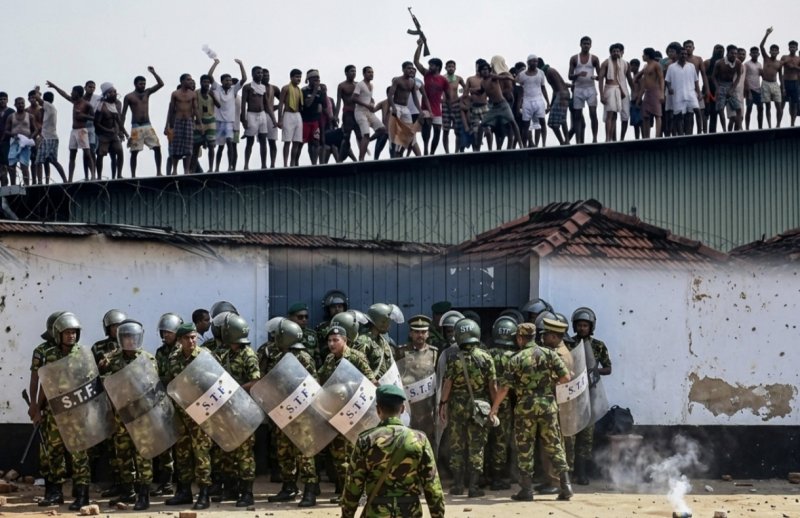
The move comes amid a wider crisis in Sri Lanka's prison system. A deadly two-day clash at Negombo Prison in July left 30 people dead, including 10 prison officers. The violence was followed by further unrest at several prisons, including Mahara Prison, where one inmate died and six others were injured during a riot earlier this month.

Sri Lanka's prisons are also facing severe overcrowding. Reuters reported that the country's prison system holds more than 41,000 inmates in facilities with a combined capacity of around 11,000, with Mahara Prison alone housing about 4,100 inmates—roughly four times its capacity.
Against this backdrop, Wijepala said authorities were also focusing on the welfare of inmates. During his visit to Pallansena, he said he met inmates in their wards and discussed concerns relating to food and sanitation.
He said one of the main concerns raised by inmates was the prolonged delay in Government Analyst reports, which can affect the progress of cases before courts. The Government, with the intervention of the President, aims to complete the delayed reports within this month and establish a mechanism to ensure they are submitted to courts more quickly through coordination with the Police.

Wijepala acknowledged that delays within the judicial system had contributed to prolonged detention and a growing backlog of cases. He said shortcomings in investigations and the accumulation of cases had resulted in justice being delayed for both the public and suspects.
He said the Government had therefore decided to strengthen the judicial process and intervene to expedite the hearing of cases. The Minister of Justice has already taken steps to address the backlog and accelerate the resolution of long-pending cases, he added.
Wijepala also said the situation at the Pallansena facility had improved following the resolution of previous issues and assured that measures were being taken to guarantee the safety of inmates and staff.