
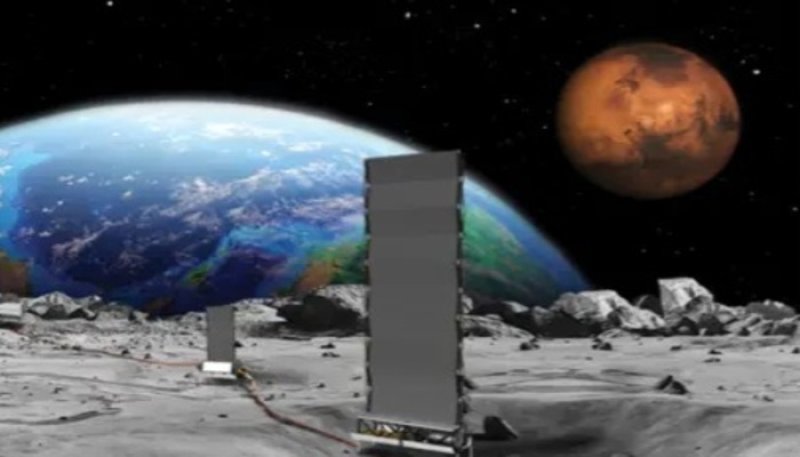











When announcing the $20 billion plan in March, the space agency laid out its aspirational goal but left many of the details to be determined. On Tuesday, during a news conference, NASA provided an update on the base's development, including new details on its progress and the vendors it will use to achieve the first phase of its lunar roadmap.
"America is returning to the moon," said NASA Administrator Jared Isaacman. "For all we hope to accomplish in this endeavor, what we are embarking upon is extremely challenging, and we know so little from what is a combined 80 hours of lunar astronaut EVA [extravehicular activity] time across the Apollo missions, and that was more than a half century ago."
Isaacman explained that in sunlight, the moon's surface can reach over 250 degrees. In the darkness, the temperature can drop below -250 degrees. He pointed out that because the moon lacks an atmosphere, there is no protection from radiation, space weather and meteorite impacts. These conditions make it challenging to build a permanent settlement.
"Recognizing this reality, I'm often asked why we send our astronauts into such harsh and dangerous and unforgiving environment of space or the lunar surface, and at such great cost. And we go for the technology we will pioneer to get there, the science, and all that we will learn that will make life better here on earth to advance humankind on this great adventure, to inspire the next generation to do it better than we can, and to be very clear, to master the skills for where we will inevitably go next," said Isaacman.