
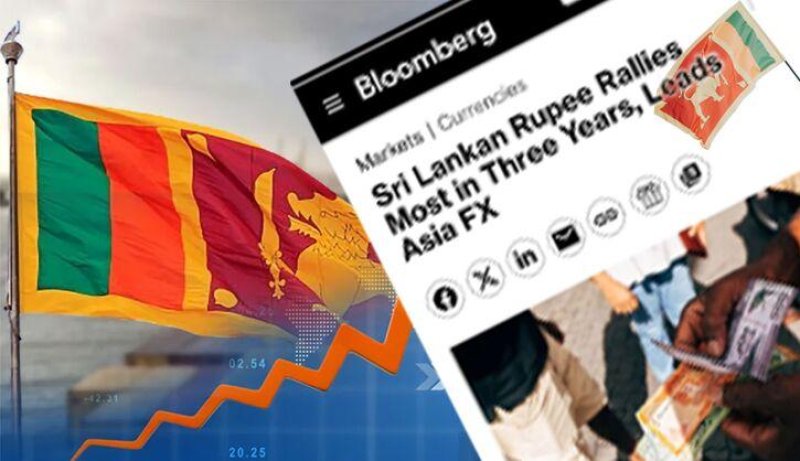











Market commentary suggests that the sudden surge reflects a combination of factors, including improved investor confidence in Sri Lanka’s International Monetary Fund (IMF) program, stronger foreign exchange inflows, and short-covering by traders who had previously bet on rupee depreciation.
Analysts note that increased dollar inflows from tourism earnings, stable remittances, and export conversions have contributed to easing pressure on the foreign exchange market. In addition, expectations surrounding continued economic reforms and debt restructuring progress have strengthened sentiment toward the local currency.
However, experts caution that the rapid appreciation may also pose risks. A stronger rupee could reduce export competitiveness, particularly for apparel and tourism, while raising concerns over whether the move is driven by genuine economic fundamentals or short-term market dynamics.
Global context also plays a role, with broader Asian currencies facing pressure amid geopolitical tensions and rising energy prices. In this environment, Sri Lanka’s currency strength has drawn international attention as highlighted by the Bloomberg analysis.
Despite the positive momentum, economists warn that sustained stability will depend on continued fiscal discipline, foreign reserve accumulation, and progress in structural reforms under the IMF-supported program.