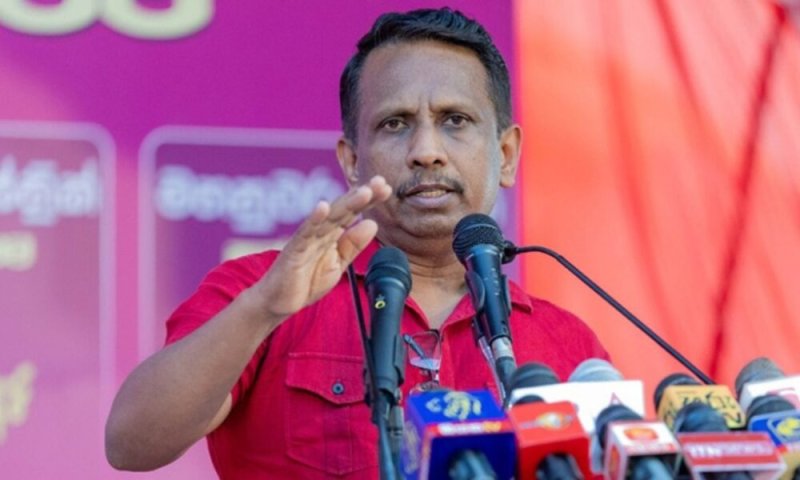
Chairman of the alliance, Dr. Chamal Sanjeewa, said the country currently has nearly 85,000 hospital beds, with about half under the central government and the rest under provincial health authorities. However, he stressed that the existing capacity is not sufficient to meet the growing demand for treatment.
He pointed out that nearly 10,000 patients are on the waiting list for heart surgery, while another 10,000 require kidney-related treatment including surgery and dialysis. In addition, about 40,000 cancer patients are currently in need of medical care, increasing the burden on major hospitals.
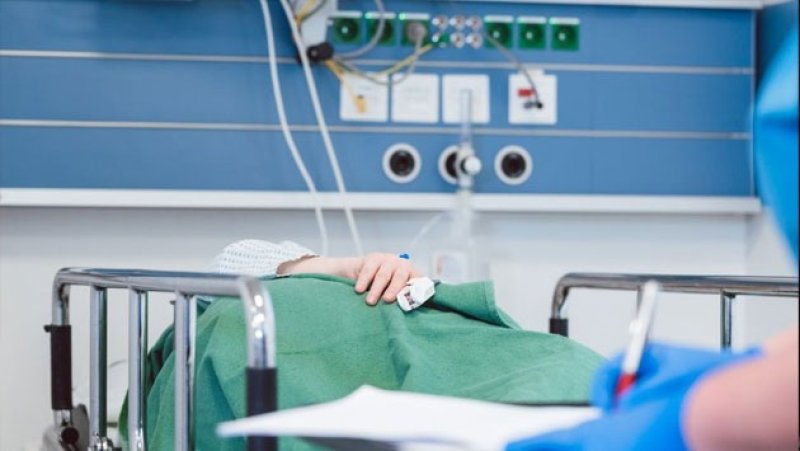
Dr. Sanjeewa said the situation is more critical in intensive care units, as the entire hospital system has only around 1,000 ICU beds. Due to the limited number of beds, many critically ill patients are unable to receive timely treatment, leading to worsening conditions and, in some cases, deaths.
He also noted that Sri Lanka’s ageing population is increasing rapidly, with people over 60 years accounting for about 18 percent of the population in 2024, compared to 12 percent in 2012, and expected to rise to around 25 percent by 2040. The country’s total population has also increased to over 21.7 million.
Dr. Sanjeewa alleged that despite these trends, the Ministry of Health has not carried out a proper long-term study on hospital bed requirements, and urged authorities to expand bed capacity in national, teaching and base hospitals to prevent a future health crisis.