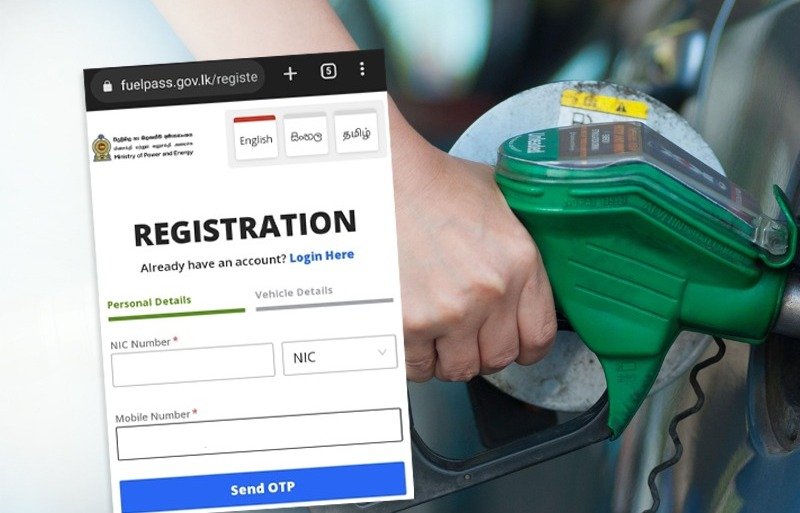
He further said that the introduction of the QR code system is expected to reduce the country’s fuel consumption by approximately 20%.
Providing further details, Rajakaruna noted that Sri Lanka’s daily fuel consumption stands at around 4,800 metric tons of diesel and 4,045 metric tons of petrol.
He explained that the QR-based fuel distribution system was introduced as an emergency measure to eliminate long queues that formed during the height of the fuel crisis. According to him, the system has helped stabilize distribution.
The Chairman also expressed cautious optimism about fuel availability in the coming weeks. He said that existing fuel stocks, along with shipments expected in March and previously confirmed supplies unaffected by global conflicts, would be sufficient to meet demand until the last week of next month.
However, he warned that challenges remain regarding the timely arrival of crude oil shipments.
“We still face issues with crude oil deliveries. While we have secured supplies for the coming weeks, extending beyond that depends on the arrival of shipments. Today is a crucial point,” he said.