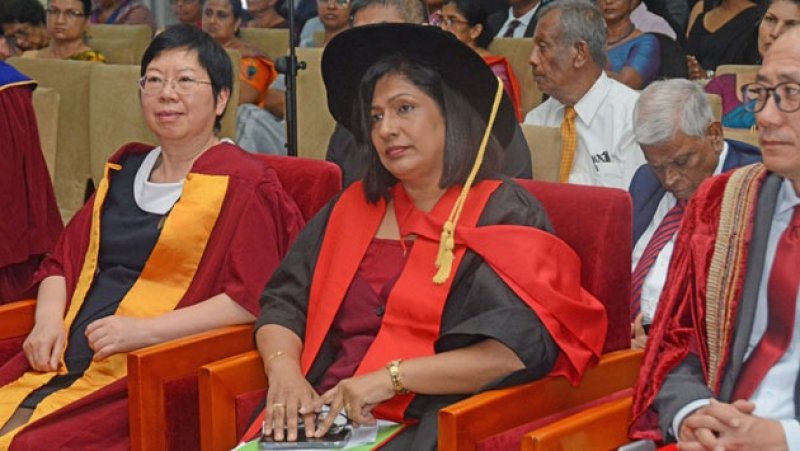
Addressing the annual Population Conference organised by the Sri Lanka Society of Population Scholars at the Sirimavo Bandaranaike Conference Hall in Colombo, she stressed that the country’s shifting population structure demands urgent policy attention.
The conference, held under the theme “Population Dynamics: Challenges and Opportunities,” brought together academics, policymakers, development practitioners and students to examine key demographic trends affecting Sri Lanka and the region.
Prof. Weeratunga noted that nearly 18 percent of the population is now aged 60 years and above, signalling a steady rise in population ageing. While Sri Lanka has made notable gains in increasing overall life expectancy, she emphasised that the focus must now move towards enhancing healthy life expectancy and reducing the growing burden of chronic non-communicable diseases.
She identified gaps in preventive health practices, pointing out that many individuals seek treatment only after severe symptoms appear. She called for stronger disease detection systems, digital integration of health services and the adoption of a life-course approach to healthcare delivery.
Prof. Weeratunga also highlighted declining fertility trends, noting that the youth population has reduced childbearing, further influencing the country’s demographic outlook.
Also addressing the forum was Phuntsho Wangyel of the United Nations Population Fund, who shared perspectives on emerging demographic challenges and the need for strategic, evidence-based policy responses.