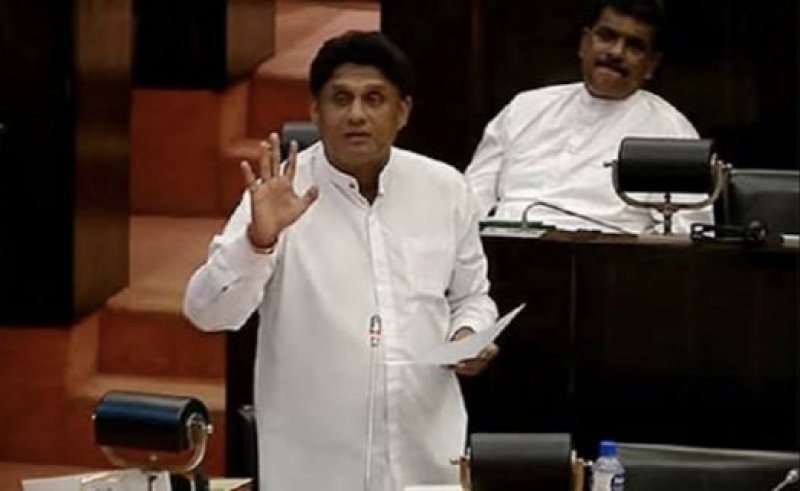
Speaking during the parliamentary session today, Premadasa highlighted the growing public anxiety over the efficiency of the state security apparatus following a rise in shootings, homicides, and attacks on public figures. He questioned the government on the current number of vacancies within the police force, how long these positions have been open, and the steps being taken to fill them to ensure public safety. He emphasized that the public's trust in the security machinery has been shaken by the recent wave of organized crime and violence.
Premadasa further pressed the government for data on crime rates over the past decade, specifically asking for a breakdown of shootings, homicides, and organized crime incidents year by year. He requested detailed statistics on the number of arrests made, cases filed, and investigations that remain unresolved. The Opposition Leader also inquired whether the current strength of the police force is deemed sufficient by the government to curb the rising crime wave. He pointed to international standards, such as the United Nations framework on police-to-population ratios, and asked if the government is taking steps to meet these global benchmarks to combat both local and international criminal networks effectively.
In a significant revelation, the Opposition Leader accused the authorities of harassing citizens who had provided him with information regarding a specific issue he had previously raised in Parliament. Premadasa said that he had earlier disclosed to the House that recommendations from Civil Security Committee chairpersons were being made mandatory for obtaining character certificates—a claim the government had denied. He revealed that following his exposure of this issue, including the names of the individuals involved, the Criminal Investigation Department (CID) has now summoned those specific individuals for questioning.
Premadasa condemned the summoning of these informants to the CID, asserting that as the Opposition Leader and a Member of Parliament, he has the right to disclose information in the House. He argued that it is unjust for the authorities to target the citizens who provided him with this information, especially after he had transparently revealed their names in Parliament.