Sri Lanka’s Unique Digital Identity Project, a major initiative aimed at modernising the country’s digital infrastructure, is scheduled to be launched by the third quarter of 2026 with the support of a Rs. 10.4 billion grant from the Government of India.
The system will be built on India’s Modular Open-Source Identity Platform (MOSIP), an open-source framework already adopted by several countries including the Philippines and Ethiopia. The project will incorporate biometric data such as facial recognition, fingerprints and eye scans to create a unique digital identity for citizens.
The initiative will also enable digital-first public services, including a mobile application named ‘e-Locker’, allowing users to securely store and access official documents.
According to the Department of Registration of Persons (DRP), the initial implementation will be supported by Indian technical expertise, with five Indian companies—Infosys, TCS, Protean, RailTel and BEL—shortlisted for the project. However, the system will be managed and operated by a local Sri Lankan Master Systems Provider (MSP). Authorities stressed that all data will remain under the control of the Sri Lankan government.
The tender process for selecting the Master Systems Integrator (MSI) is currently underway, with the final contract expected to be awarded by early 2026
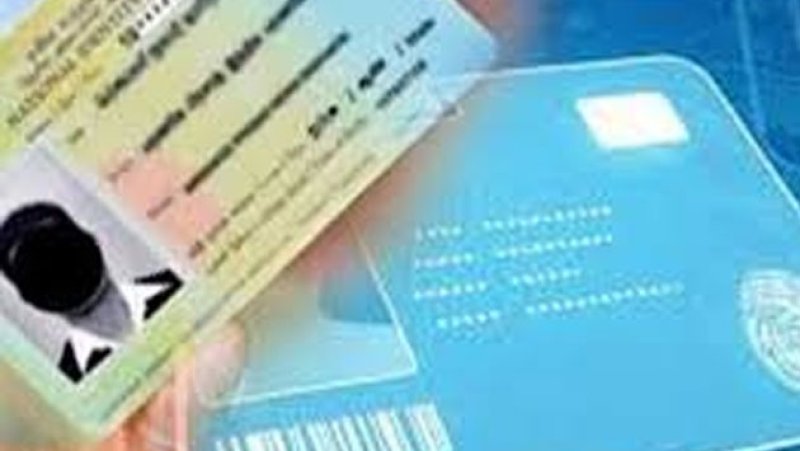
The Unique Digital Identity Project is considered a key foundation for Sri Lanka’s digital economy vision for 2030. It will integrate existing electronic National Identity Cards, biometric records and demographic data. Other related initiatives include the introduction of ‘Virtual Special Economic Zones’ to expand 4G and 5G connectivity and promote technology-driven exports.
Meanwhile, the Global Digital Report by DataReportal shows that approximately 13.9 million Sri Lankans were using the internet by the end of 2025, accounting for about 59.7 percent of the population. Facebook remains the most widely used social media platform in the country, with around 9 million active users.