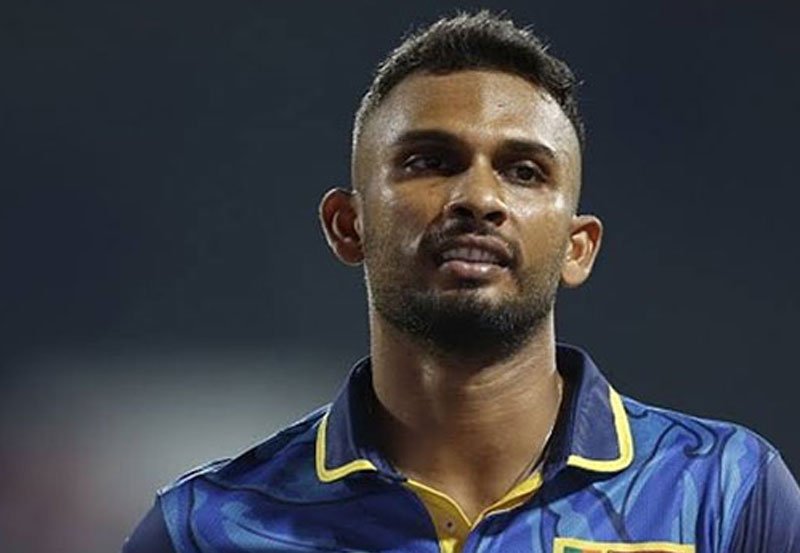
Sri Lanka captain Dasun Shanaka believes pitch conditions at the ICC Men’s T20 World Cup could lead to changes in strike rates and wicket patterns, potentially favouring batters during the tournament.
Speaking at a pre-match press conference ahead of Sri Lanka’s opening game, Shanaka said the International Cricket Council (ICC) has instructed curators to leave slightly more grass on pitches for the World Cup.
According to Shanaka, this adjustment is likely to influence how matches unfold.
“In this World Cup, the ICC has instructed that the grass level should be kept up by a few millimetres. Because of that, I think the strike rates and wicket patterns will change,” he said.
The Sri Lanka skipper also attributed the team’s recent middle-order struggles to the nature of pitches played on in the lead-up to the tournament, particularly slow and turning surfaces that make it difficult to maintain momentum in the middle overs.
“There have been issues related to the pitches, and the middle order hasn’t performed well. If you look deeper into why that happened, you will understand from the kind of pitches we played on. You can see why the strike rate was low and why wickets kept falling,” Shanaka noted.
Shanaka defended his preference for batting-friendly conditions, saying such surfaces allow players to better showcase their abilities rather than merely survive challenging pitches.
“Personally, I prefer good batting tracks, because I don’t always get the chance to show my ability on turning wickets. Many people take that as an excuse and see me as a negative person, but for me, it’s about showing my talent,” he said.
Drawing a comparison with India, Shanaka said teams are often judged without adequate consideration of playing conditions.
“Everyone asks why India scores well and why Sri Lanka struggles. That depends a lot on the conditions,” he said.
Shanaka added that the T20 World Cup would offer a more accurate basis for comparison, expressing confidence that the tournament would benefit Sri Lanka’s batters.
“So, I think in this World Cup, those numbers will change. You will be able to compare the numbers during the World Cup and before it. I think this will be a good tournament for our batters,” he said.