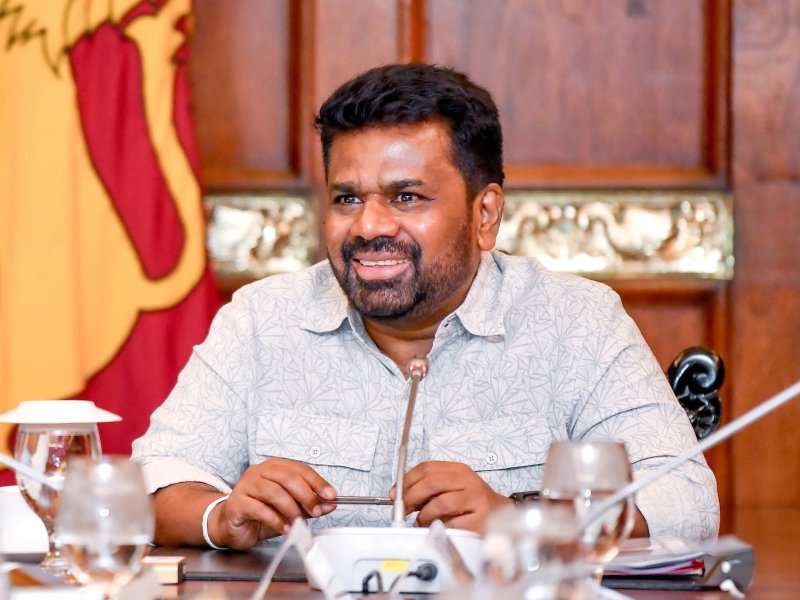
During the discussion, special attention was given to the promotion of a cashless economy, including the progress and future plans of related programs.
Key areas reviewed included the digitalization of government institutions, promotion of QR-based transactions, establishment of cloud infrastructure centers, the national high-speed broadband program, introduction of a single-window service system, the digital national identity card project, and the digitalization of traffic spot fine payments.
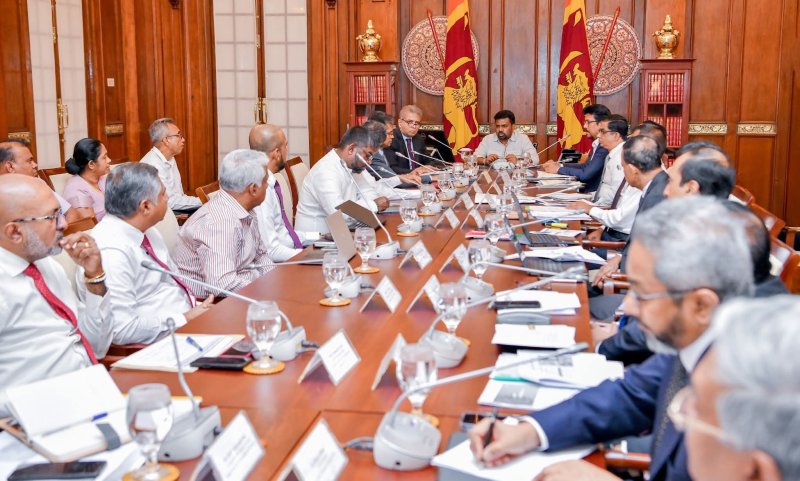
The President emphasized the importance of formalizing and documenting economic activities in rural areas, where much of the economy operates informally. He noted that proper documentation is essential for future economic and development planning.
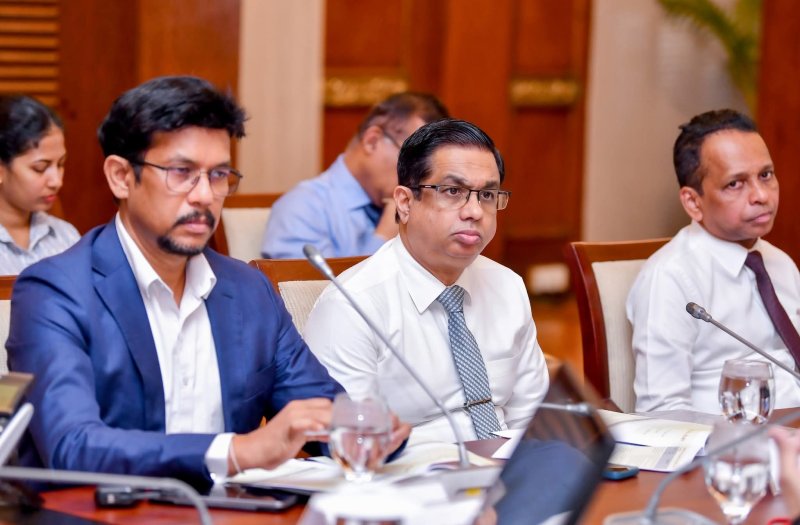
The performance, progress, and future plans of institutions under the Ministry of Digital Economy — including Sri Lanka CERT, the Data Protection Authority, and the Telecommunications Regulatory Commission (TRC) were also reviewed.
Additionally, discussions were held on the current status of the GovTech institution, which was established to support the government's digital transformation program, as well as its upcoming recruitment plans.
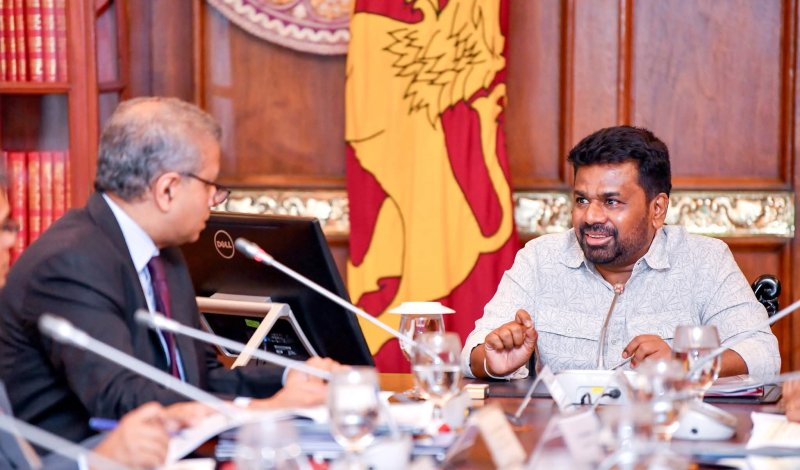
The meeting was attended by Deputy Minister of Digital Economy Eranga Weeraratne, Secretary to the President Dr. Nandika Sanath Kumanayake, Senior Presidential Advisor on Digital Economy Hans Wijayasuriya, Senior Additional Secretary to the President Roshan Gamage, Secretary to the Ministry of Digital Economy Varuna Sri Dhanapala, along with senior officials of the ministry and heads of affiliated institutions