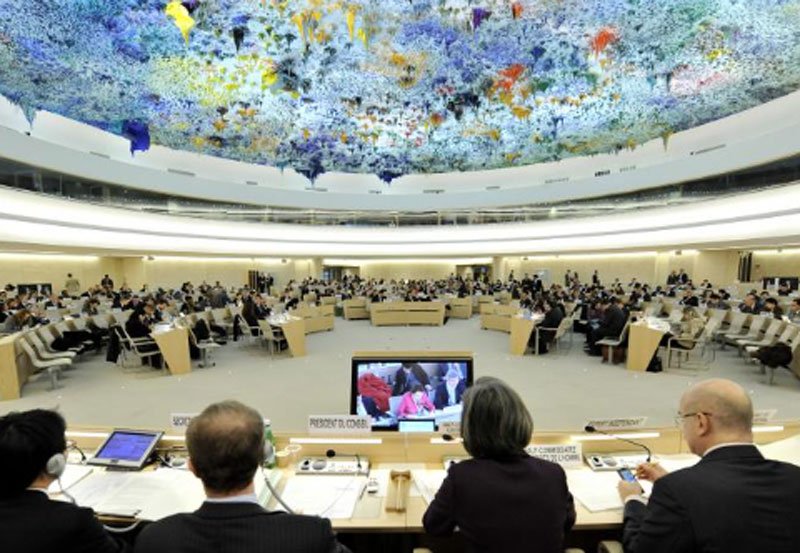
In an effort to counter the impending UN Human Rights Council (UNHRC) session in March, Sri Lanka is set to explore fresh approaches by engaging leaders from various countries, including those in Africa.
President Ranil Wickremesinghe, currently in Davos, Switzerland, will extend his diplomatic efforts to Uganda, where the Non-Aligned Summit is underway, with leaders from approximately 120 countries in attendance.
During the summit, President Wickremesinghe plans to hold bilateral talks with leaders of several African nations to strengthen ties and garner support at the UNHRC. Sri Lanka has been under UNHRC scrutiny since 2012, following the conclusion of the civil war, and its case will once again be addressed in the upcoming session.
The Sri Lankan government has consistently rejected the latest resolutions, specifically Resolution 46/1 and 51/1, which established the controversial 'Accountability Project,' deeming it intrusive. In a strategic move, the government intends to initiate fresh engagements with the United Kingdom, the leading country in the core-group advocating the resolution on Sri Lanka.
President Wickremesinghe's recent decision to join operations alongside the United States and the UK in the Red Sea, countering Houthi rebel attacks from Yemen, is seen by some as a move to engage these countries ahead of the UNHRC process. While rejecting certain resolutions, the Sri Lankan government has also taken steps to implement measures outlined in the latest UNHRC resolution. Notably, a recent bill establishing the 'Office for National Unity and Reconciliation' was passed with a majority vote, signaling a key step towards post-conflict reconciliation with the Tamil community.