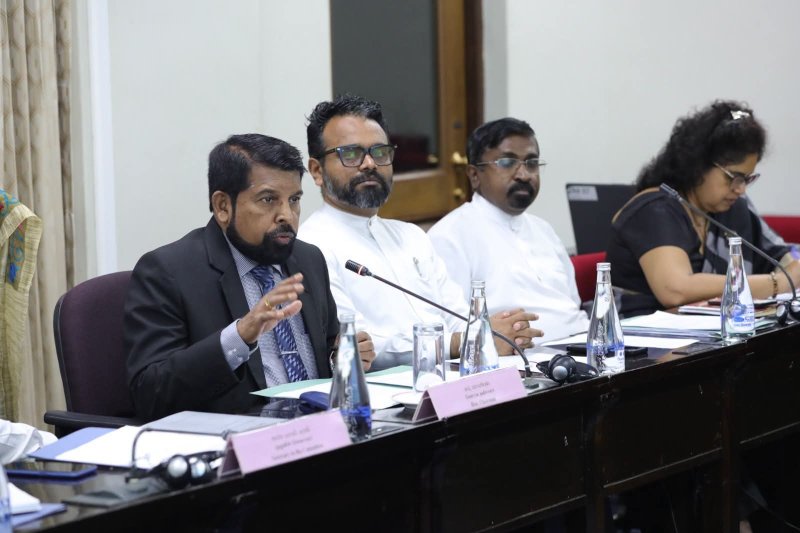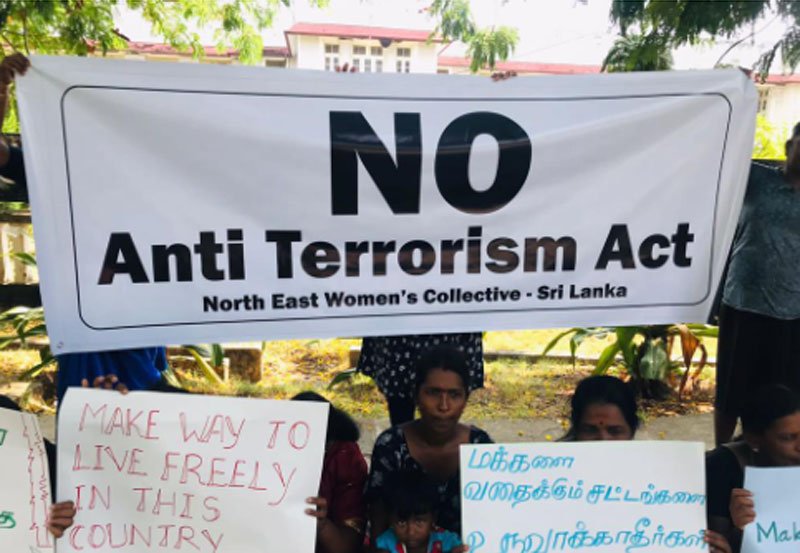
In a move that followed extensive negotiations with international counterparts and civil society advocates, the government officially presented the Anti-Terrorism Bill to the public yesterday, signaling a shift away from the long-standing and stringent Prevention of Terrorism Act (PTA).
Originally enacted in 1979 as a temporary measure, the PTA gained widespread use during conflict periods, particularly in the war against LTTE terrorism. Post-conflict, successive governments faced mounting pressure from global entities, including the United Nations Human Rights Council (UNHRC), as well as civil society organizations, trade unions, and human rights activists, urging the repeal of the outdated legislation. The recent UNHRC resolution on Sri Lanka specifically called for its abolition.
Despite public criticism, the government initially drafted a new bill that drew flak for allegedly retaining draconian provisions. Subsequently, through consultations with concerned stakeholders, the bill underwent revisions and was presented to the House for thorough debate and eventual enactment.
Notable changes in the new Anti-Terrorism Bill include a reduction in the period a suspect can be held under detention from three to two months, empowering magistrates to grant bail to detainees without a detention order, and broadening the definition of terrorism to encompass electronic and print media remarks instigating violence.
The presented bill grants the President the authority to proscribe organizations, impose restrictions on individual movements, declare specific locations as prohibited areas, and introduces new procedures related to curfew. Under the new legislation, confessions made before police officers are inadmissible in court—a departure from the PTA. Additionally, any arrests made by the police, military, or coast guard must be transferred to the police within 24 hours.
Section 79 of the new bill provides the President with the authority to proscribe an organization engaged in acts prejudicial to the national security of Sri Lanka or any other country, with the power to issue such orders based on recommendations from the Inspector General of Police (IGP) or any foreign nation. The bill is now pending enactment, awaiting further scrutiny and discussion in Parliament.