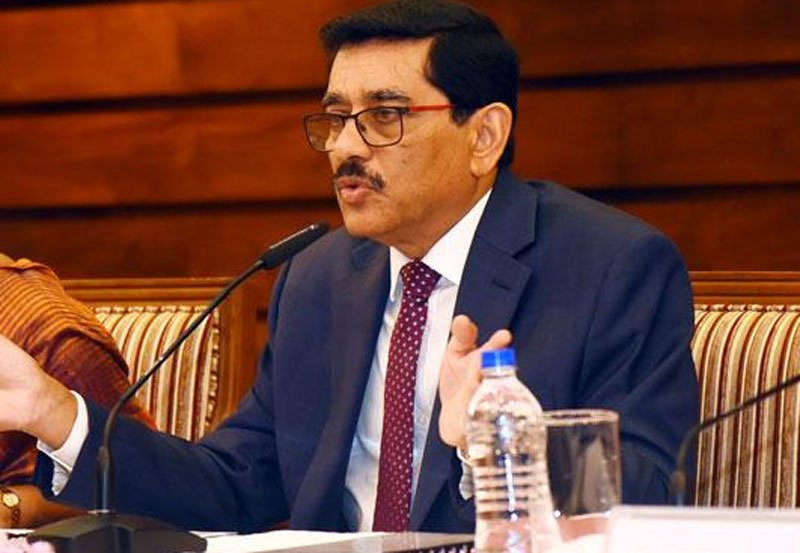
The Central Bank Governor Nandalal Weerasinghe emphasized that Sri Lanka's monetary policy will maintain an accommodative stance to support the economy in reaching its potential growth.
The primary focus will be on domestic price stability, with the current policy allowing ample space for effective monetary transmission and preventing undue pressures on the economy.
Weerasinghe delivered the annual policy statement on Wednesday, underlining the importance of the current monetary policy stance in facilitating economic recovery. The central bank had previously signaled a pause in its policy easing cycle last year after implementing a series of interest rate cuts amounting to 650 basis points to stimulate growth in response to an unprecedented economic crisis.
Despite the injection of $670 million in aid from the International Monetary Fund (IMF) to alleviate shortages, Sri Lanka's growth still lags behind pre-pandemic levels. Weerasinghe highlighted the need for additional funds from the IMF to build buffers and mitigate risks in the economy.
Sri Lanka's headline inflation, which had dropped to low-single digits from a peak of 70%, has started to inch up in recent months. Weerasinghe attributed this to tax and energy tariff increases, expecting a further uptick in the January inflation print. However, he noted that a change in the monetary policy course may not be necessary as inflation expectations remain well-anchored. The country aims to maintain the inflation rate around 5% throughout the year.
In an effort to make more informed decisions on the economy, the central bank plans to reduce the number of annual policy announcements from eight to six. Weerasinghe also mentioned the consideration of moving to a single policy rate, although specific details were not provided. Currently, the central bank operates with two benchmark rates, namely the standing lending facility rate and the standing deposit rate.