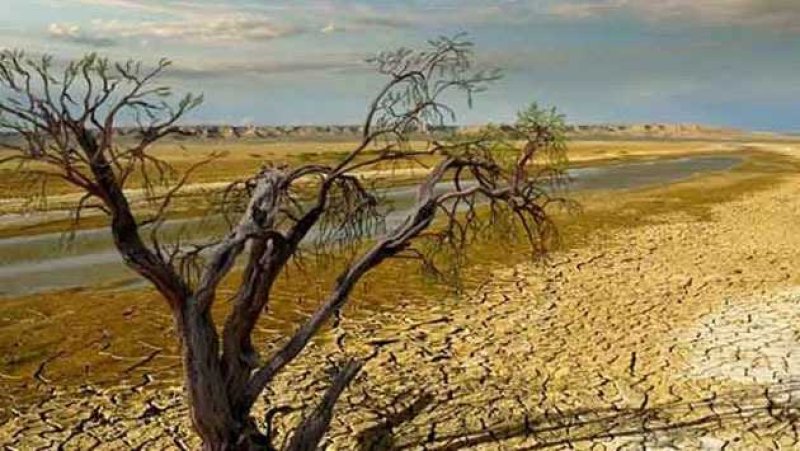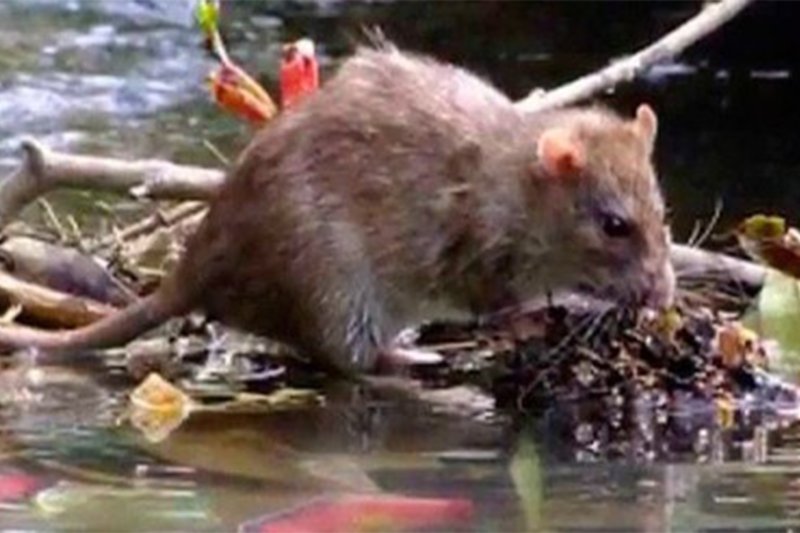
The Public Health Inspectors Association of Sri Lanka has issued a cautionary statement indicating an upsurge in the spread of Leptospirosis, also known as "rat fever" amidst the ongoing dry weather conditions.
Chairman of the PHI association Upul Rohana says that individuals involved in freshwater fishing, particularly fishermen, should remain vigilant in this regard.
This alert comes in the wake of the unfortunate demise of two young persons who had ventured our for a swim in Doradatta Wewa situated in Kurunegala Hiripitiya.
Mr. Upul Rohana highlighted that the two individuals in question had taken a swim in Doradatta Wewa and later sought medical assistance due to feverish symptoms.
Leptospirosis is an infection caused by Leptospira, a type of bacteria. It’s a zoonotic disease, meaning it can infect both humans and animals, like dogs.
The disease is mainly spread through exposure to the urine of an infected animal. In humans, this can happen due to contact with the urine or contaminated soil or water.
Sometimes, leptospirosis causes mild flu-like symptoms or no symptoms at all. But it can also lead to serious complications, such as meningitis, and it can be fatal.
Leptospirosis can have serious life threatening effects. Get medical attention if cuts in your skin or your mucous membranes, such as your eyes, have been exposed to the urine of unvaccinated animals or farm animals, or contaminated water or soil.
The symptoms of leptospirosis range in type and severity.
Mild leptospirosis may cause:
fever
coughing
headache
muscle pain (especially the calves and lower back)
rash without itching (primarily on the shins), which can lead to rhabdomyolysis
diarrhea
vomiting
chills
red eyes
stomach pain
In some cases, leptospirosis causes no symptoms at all.
Symptoms of severe leptospirosis include:
jaundice (yellow skin and eyes)
kidney failure
liver failure
hemorrhage
respiratory issues
heart arrhythmia
aseptic meningitis
myocarditis
It usually takes between 1 to 2 weeksTrusted Source for the person with the condition to begin to show symptoms, but it could take up to a month.
Leptospirosis is widespread among animals. This includes farm, wild, and domesticated animals. It’s common in dogs but rare in cats.
An animal with leptospirosis might have no symptoms. They may also release the bacteria into the environment for several months or years.
Dogs can get vaccinated against leptospirosis. The vaccine provides protection for at least 12 months, so a yearly vaccination might be necessary. There are no leptospirosis vaccines for cats.
It’s possible for humans to get leptospirosis from animals. This can happen through contact with urine from an infected animal. It’s rarely transferred through animal bites.
Leptospira is commonly found in:
cows
pigs
horses
raccoons
porcupines
dogs
rodents, like mice or rats
Treatment can help reduce the severity of leptospirosis. But without treatment, it can lead to complications, such as:
meningitis
liver failure
kidney damage (which can lead to kidney failure)
respiratory issues
hemodynamic collapse (shock)
death of a fetus (in people who are pregnant)
In some cases, it can lead to death.
Fluids and fever management
Mild cases of leptospirosis may be treated with simple remedies, such as:
drinking plenty of fluids
getting rest
taking over-the-counter pain relievers
Antibiotics
Antibiotics are medications designed to destroy harmful bacteria.
Contact a doctor if you think you’ve been exposed to animal urine or contaminated soil or water.
Other signs that you should contact a doctor include:
persistent fever
unexplained stomach or muscle pain
unexplained diarrhea or vomiting
coughing
red eyes
chills
jaundice
neck stiffness
headache