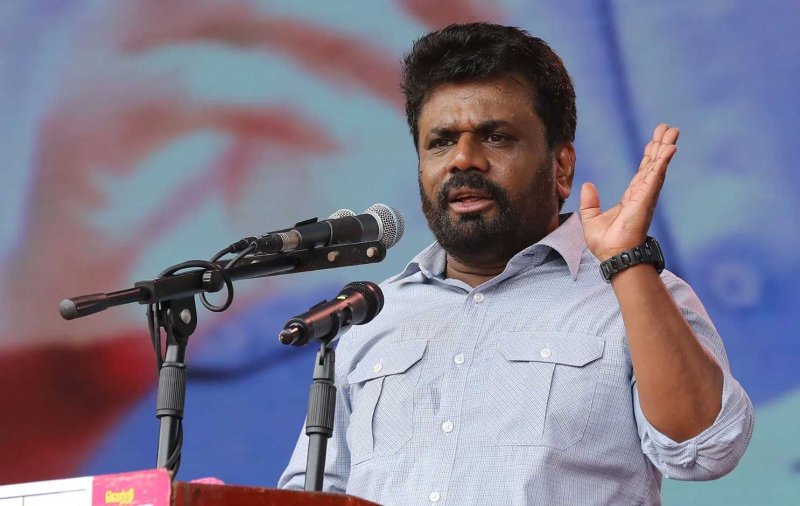
President Anura Kumara Dissanayake has pledged to dismantle what he described as Sri Lanka’s entrenched “black state” system, saying the Government will continue efforts to eliminate corruption, political privilege and the misuse of state power.
Addressing a public gathering, President Dissanayake said voters made a historic decision at the September 21, 2024 presidential election by rejecting the traditional political system and giving the National People’s Power (NPP) a mandate to govern.
He said the mandate was further strengthened at the subsequent parliamentary election, which resulted in the NPP securing a historic majority in Parliament.
According to the President, the present Government was established through the people’s vote rather than political deals, financial influence or the distribution of privileges.
Reflecting on previous administrations, Dissanayake said political leaders had taken the country to a situation that resulted in widespread public protests and political upheaval.
He described the previous system as a “black state” that had affected politics, the economy and the rule of law. He also accused successive political groups of using ethnic divisions between communities for political purposes.
The President said the Government had pledged to completely eradicate this system and establish a political environment based on the rule of law.
He claimed that individuals who had benefited from political protection and privileges under the previous system were now opposing the Government because they feared losing those advantages.
Dissanayake also criticised calls by opposition politicians for different groups to unite against the Government, questioning the motives behind such proposals.
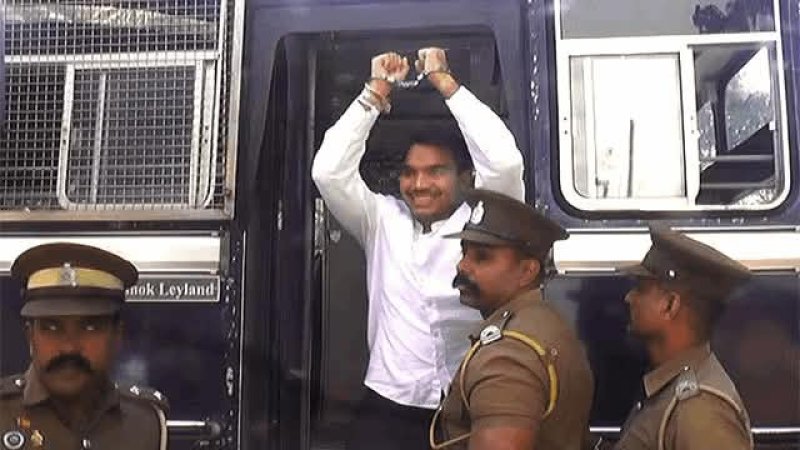
He said investigations into alleged wrongdoing were continuing and that the Government would allow the relevant authorities to take action without political interference.
The President reiterated that the Government would continue its efforts to tackle corruption and ensure that the law is applied equally, while resisting pressure to reverse decisions taken in what it considers to be the public interest.