For years, Sri Lanka’s organised crime networks operated on a familiar model: underworld bosses based overseas directed criminal operations from relative safety, while their local associates carried out contract killings, extortion, drug trafficking and other offences on their behalf.
That strategy is now facing growing pressure as Sri Lankan law enforcement agencies expand international cooperation to track down and bring wanted fugitives back to the country.
The crackdown gained significant momentum from 2025, with the Ministry of Public Security and the Criminal Investigation Department (CID) strengthening efforts to use international law-enforcement mechanisms, including Interpol Red Notices and extradition procedures. These measures have resulted in the arrest and repatriation of a growing number of suspects wanted in connection with serious organised crime, with operations continuing into 2026.
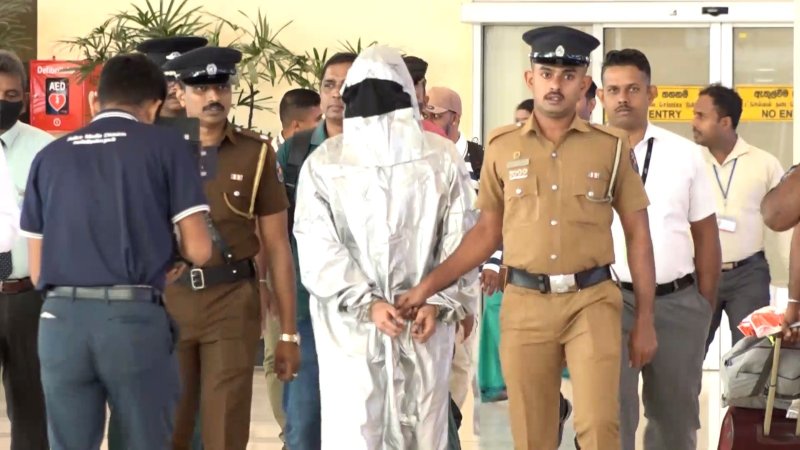
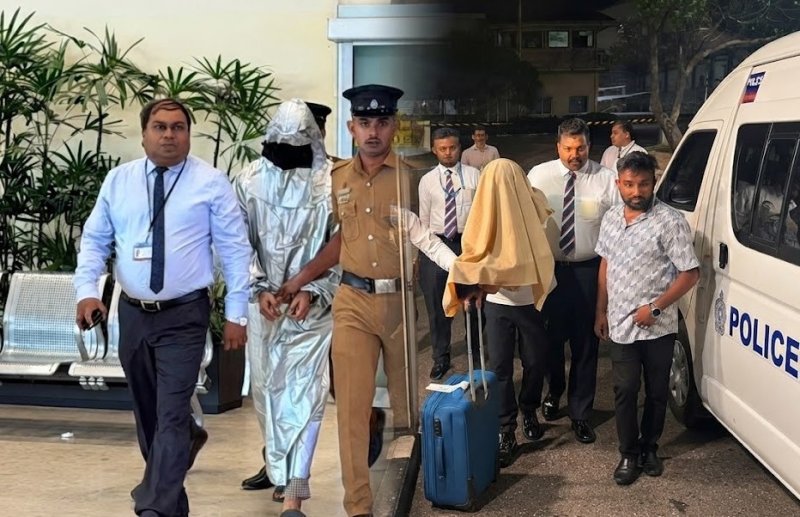
One of the most significant developments has been the expansion of joint investigations with foreign law-enforcement agencies. Coordinated operations in countries including Indonesia have resulted in the arrest of several alleged Sri Lankan underworld figures. Among those apprehended were individuals known by aliases including Kehelbaddara Padme, Commando Salintha, Backo Saman, Panadura Nilanga and Tambili Lahiru. Following their arrests, the suspects were brought back to Sri Lanka under tight security and placed before the relevant law-enforcement authorities for further investigations.
Cooperation with authorities in the United Arab Emirates has also become an important part of the campaign. Sri Lankan authorities have increasingly relied on Red Notices and extradition arrangements to locate and arrest fugitives believed to be operating from the UAE. Similar efforts have extended to other countries, including Malaysia, while several wanted suspects remain in foreign custody in countries such as Russia and Oman as legal procedures concerning their deportation or extradition continue.
Inspector General of Police Priyantha Weerasooriya has said that international cooperation has been secured to facilitate the extradition of criminals wanted under active Interpol Red Notices. According to the IGP, Red Notices have already been obtained for a significant number of suspects, while authorities are pursuing further notices against approximately 100 additional fugitives believed to be residing overseas.
The international crackdown is not limited to physically locating and arresting suspects. Authorities are also focusing on the financial networks that enable organised crime groups to operate across borders. Assets and properties allegedly linked to criminal syndicates, amounting to billions of rupees, have been frozen or seized as part of efforts to disrupt the financial infrastructure supporting drug trafficking, violence and other criminal activities.
The intensified campaign represents a significant shift in Sri Lanka’s approach to organised crime. With closer international cooperation, intelligence sharing, financial investigations and coordinated arrests, foreign safe havens are becoming increasingly difficult for wanted criminals to rely upon.
Sri Lankan authorities have sent a clear message that geographical distance will no longer provide a shield for fugitives. As international operations continue and more suspects face arrest and repatriation, law enforcement agencies are seeking to dismantle not only the individuals behind organised crime networks, but also the financial and operational structures that allow those networks to survive.