
Sri Lanka has shifted from anti-corruption policy reform to full-scale implementation, rolling out major institutional, legal, and technological reforms aimed at delivering tangible results, according to the country's top anti-corruption official.
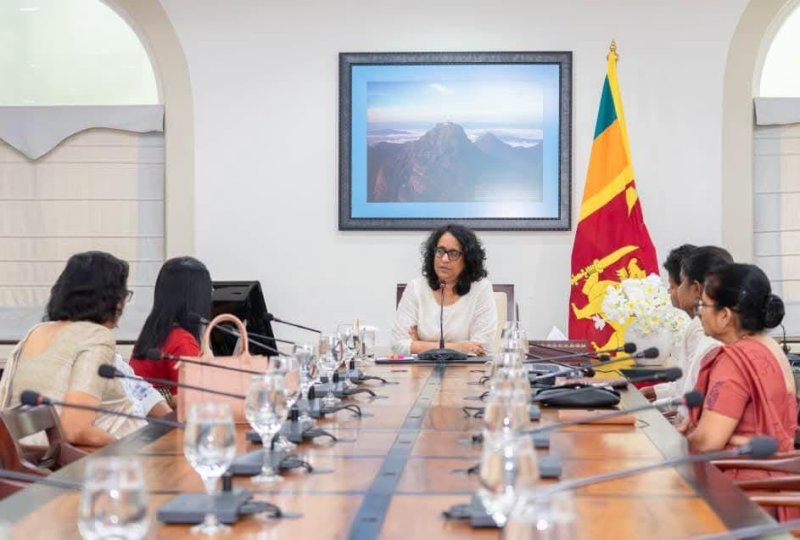
Speaking at the International Anti-Corruption Forum in South Korea, Director General of the Commission to Investigate Allegations of Bribery or Corruption (CIABOC), Ranga Dissanayake, said the government's anti-corruption agenda since early 2025 has focused on translating reforms into concrete action under a clear public mandate.
Dissanayake said authorities are strengthening investigations and upgrading case management systems to improve the speed and effectiveness of corruption prosecutions. As part of these efforts, Sri Lanka has established three dedicated High Courts to expedite the hearing of corruption-related cases.
He added that CIABOC is undergoing a comprehensive restructuring programme aimed at enhancing operational efficiency through staff capacity building, streamlined workflows, and decentralised services to improve public access.
In a significant transparency initiative, Sri Lanka has also launched an electronic asset declaration system this year to strengthen accountability, improve oversight, and modernise the declaration process.
According to Dissanayake, implementation of the National Anti-Corruption Action Plan 2025–2029 and the CIABOC Strategic Action Plan provides a comprehensive framework covering corruption prevention, law enforcement, public awareness, and institutional coordination.
He also highlighted expanding cooperation between CIABOC and South Korea's Anti-Corruption and Civil Rights Commission (ACRC), describing the partnership as increasingly focused on practical implementation. One of its key outcomes is the Anti-Corruption Initiative Assessment (AIA), developed jointly with the ACRC and the United Nations Development Programme (UNDP). The assessment, adapted from South Korea's integrity assessment model, has been tailored to Sri Lanka's legal and administrative framework.
While acknowledging that corruption remains a global challenge, Dissanayake said sustained collaboration, institutional reforms, and implementation-focused strategies can deliver meaningful progress in strengthening governance and public trust.