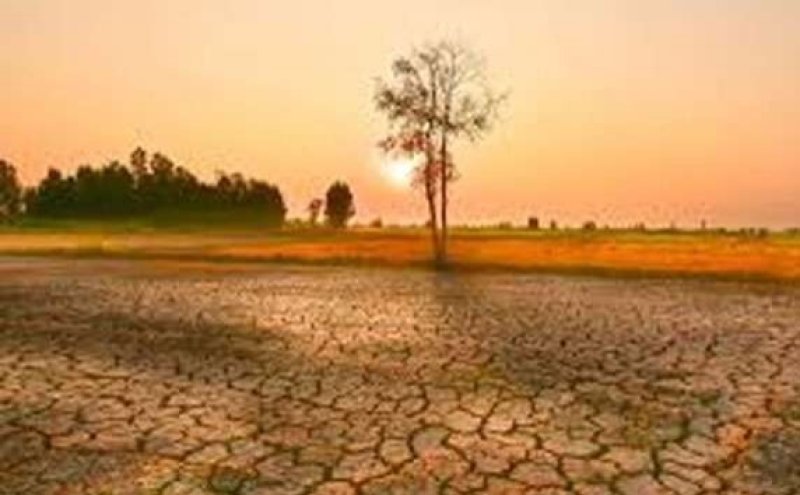
Authorities warn that the effects of El Niño are expected to intensify in Sri Lanka during the latter part of this year, potentially causing irregular rainfall, extreme temperatures, drought conditions, and flash floods. Given the country’s vulnerability to climate variations, the government has decided to implement a coordinated national response mechanism.
The Ministerial Sub-Committee has been tasked with formulating short-term, medium-term, and annual strategies to manage possible disruptions to water supply, electricity generation, and food security. It will also oversee inter-agency coordination and public awareness initiatives aimed at reducing disaster risks. The committee will be chaired by Minister of Environment Dammika Patabendi and includes the Ministers of Agriculture; Plantation and Community Infrastructure; Ports, Civil Aviation and Energy; Trade, Commerce and Food Security; and Housing, Construction and Water Supply.
In parallel, a high-level Officials’ Committee has been appointed under the chairmanship of the Presidential Chief of Staff to support implementation efforts. It comprises secretaries of relevant ministries and key officials, including the Directors General of Irrigation, Agriculture, Wildlife Conservation, Meteorology, the Disaster Management Centre, and the Mahaweli Authority.
The coordinated framework is expected to strengthen collaboration between government institutions, local authorities, and other stakeholders to ensure a comprehensive national response to potential climate-related challenges.