
Hajj is one of the Five Pillars of Islam and is considered a religious duty for Muslims who are physically and financially able to undertake the pilgrimage at least once in their lifetime. The pilgrimage takes place during the Islamic month of Dhul Hijjah and includes a series of religious rituals performed over several days.
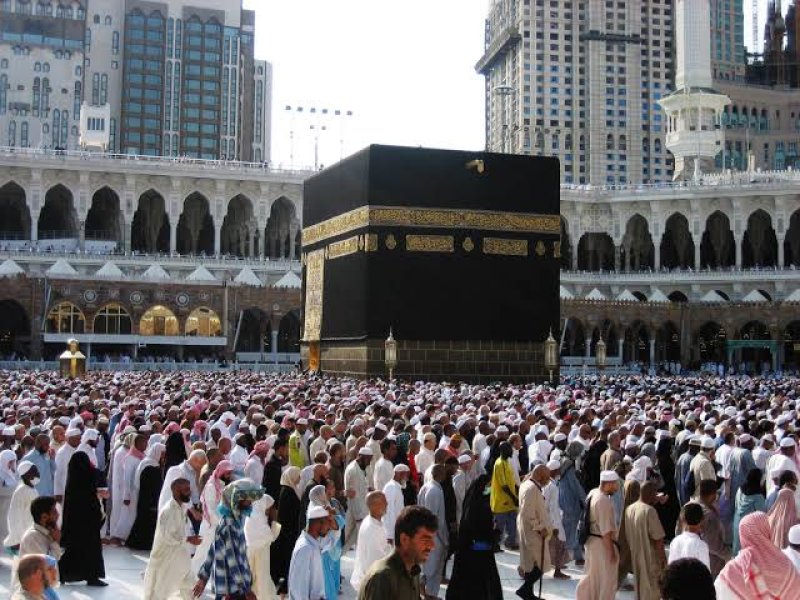
Pilgrims gather at sacred sites including the Grand Mosque, where the Holy Kaaba is located. Dressed in simple white garments, worshippers pray together regardless of nationality, race, or social status, symbolizing equality and brotherhood among Muslims.
The Hajj journey includes important rituals such as Tawaf, the circling of the Kaaba, standing in prayer at Arafat, and the symbolic stoning of the devil at Mina. These acts commemorate the faith and sacrifices of Prophet Ibrahim (Abraham), his wife Hajar, and their son Ismail.
The celebration of Hajj also coincides with Eid al-Adha, known as the Festival of Sacrifice. Muslims around the world mark the occasion with prayers, charitable acts, and gatherings with family and friends. Many people distribute food and help those in need as part of the spirit of compassion and generosity encouraged during the holy season.
Authorities in Saudi Arabia have made extensive preparations to ensure the safety and comfort of pilgrims, including advanced transportation systems, medical services, and crowd management measures.
Hajj continues to stand as a powerful symbol of peace, devotion, and unity, bringing together Muslims from every corner of the world in one of the largest annual religious gatherings on Earth.