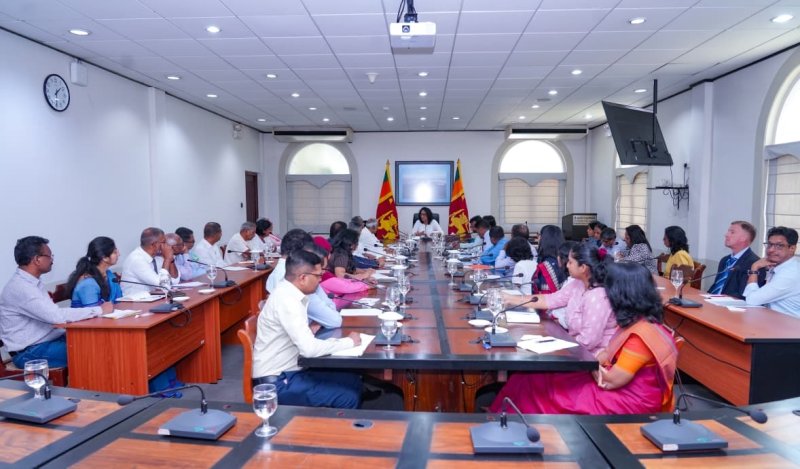
A high-level discussion held on March 28 at Temple Trees, attended by Prime Minister Dr. Harini Amarasuriya and civil society representatives, highlighted concerns over whether current relief mechanisms are adequately reaching all affected groups.
Officials noted that while compensation payments are being processed through District Secretariats and safety camps remain operational, certain communities—especially within the estate sector Malaiyaha Tamil population—face challenges in accessing assistance due to lack of legal land ownership. The issue has prompted calls for a coordinated policy response involving the Ministry of Plantation and Community Infrastructure.
The meeting also underscored broader concerns about the scale and pace of recovery. Authorities outlined plans to build 20,000 new houses, repair 115,000 damaged homes, and provide financial support of up to Rs. 5 million for eligible homeowners with secure land. However, civil society groups stressed the need to ensure these benefits are equitably distributed.
Secretary to the Ministry of Housing, Construction and Water Supply Engineer L. Kumudu Lal Bogahawatta said additional plans are underway to develop housing complexes with public facilities in urban areas, aimed at improving long-term resilience.
At the same time, participants emphasized that recovery must go beyond infrastructure, with ongoing assessments of the physical, psychological, and social well-being of affected communities—particularly women, children, and persons with special needs.
Prime Minister Dr. Amarasuriya reiterated that reconstruction efforts are focused on safer locations, but stressed the importance of sustained engagement with communities to ensure that recovery is both inclusive and future-proof.
The discussion brought together government officials and representatives from 33 civil society organizations, highlighting a growing call for more inclusive and coordinated disaster recovery policies.