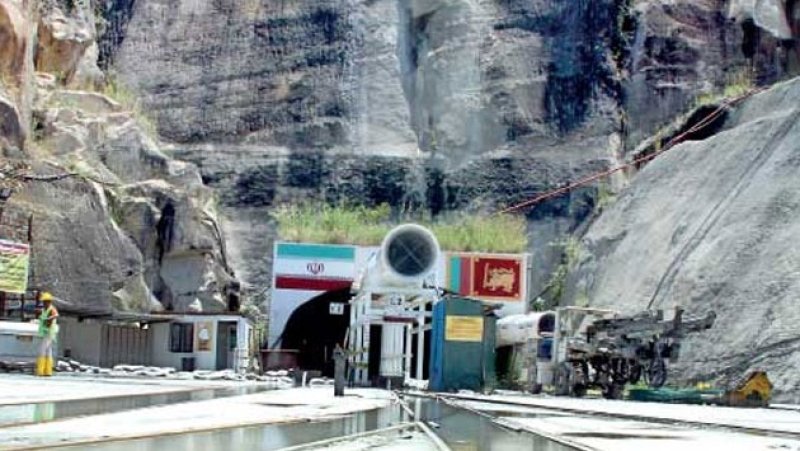
The decision effectively closes one of Sri Lanka’s most debated development-related legal battles, which spanned more than 11 years and involved multiple governments. The Court observed that various forms of relief and compensation had already been granted to affected residents during this period.
While compensation was provided over the years, the case has raised serious questions about state accountability and transparency in large-scale infrastructure projects. Critics argue that the project moved forward without properly adhering to the Environmental Impact Assessment (EIA) process, setting a concerning precedent for future development initiatives.
Despite the scale of damage and public outcry, the Supreme Court noted that the facts presented showed no remaining legal remedies available under the current framework. This highlights the limitations of existing laws in addressing long-term harm caused by major development projects.
Although the current government appointed a Cabinet committee after assuming office to review the Uma Oya issue, details of its findings and decisions have not been made public, raising concerns over information disclosure and public accountability.
Legal observers say the conclusion of the Uma Oya case underscores the need for stronger environmental governance, clearer liability mechanisms, and enforceable safeguards to prevent similar situations in future infrastructure projects.
The case was supported by the Centre for Environmental Justice on behalf of affected residents, with legal representation led by Senior Attorney-at-Law Ravindranath Dabare, assisted by Attorney-at-Law Sawanthi Ponnamperuma, on the advice of Attorney-at-Law Nilmal Wickramasinghe.