
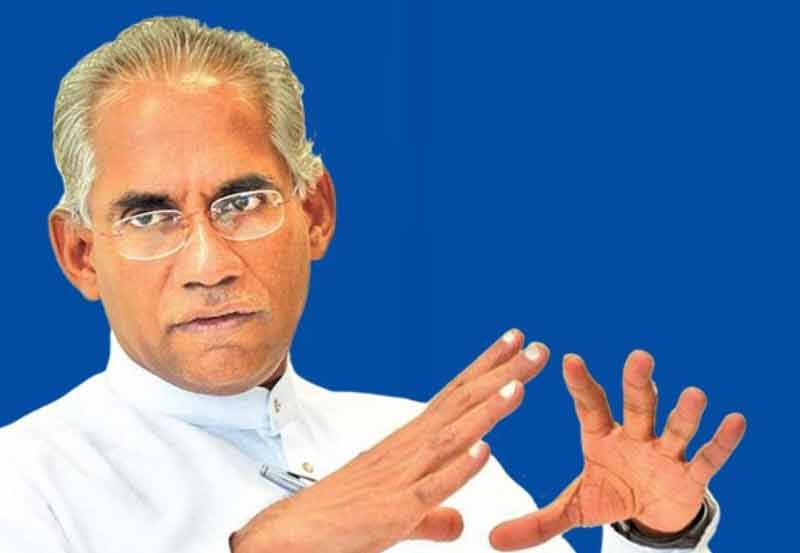










Speaking at the committee’s inaugural press conference held at Sri Lanka Cricket headquarters, Chairman Eran Wickramaratne said the primary objective of the committee is to implement structural reforms that would restore public confidence and return Sri Lankan cricket to the highest level of international competition.
Joining Wickramaratne at the briefing were committee members Sidath Wettimuny, Prakash Schaffter, Upul Kumarapperuma, and Dinal Phillips.
A key component of the reform agenda is the drafting and implementation of a new constitution for Sri Lanka Cricket. Wickramaratne said the existing democratic voting structure had been systematically abused over the past decade and a half, resulting in weak governance and declining accountability within the institution.
“To rectify this, the legal framework is being overhauled to establish accountability and transparency,” Wickramaratne said.
As part of the process, the committee has opened a public consultation period, inviting proposals from cricket fans, former players, provincial associations, and school cricket authorities. The draft constitution is expected to proceed through the legislative and parliamentary process once consultations are completed, with the entire process likely to take around six months.
Addressing concerns over political influence in cricket administration, Wickramaratne stressed that the committee is operating independently and without interference from the government or political actors.
Responding to questions about the International Cricket Council (ICC), he said discussions with the world governing body had been “transparent and cordial.”
The committee also plans to introduce stringent ethical and anti-corruption provisions into the new legal framework. Under the proposed reforms, individuals convicted of financial crimes or sanctioned by the ICC would be permanently barred from holding office within Sri Lanka Cricket.
In parallel, a forensic audit has been launched to examine past expenditure and financial management practices, with the committee pledging that future spending would be directed solely toward the development of the sport.
On the cricketing front, former national captain and committee member Sidath Wettimuny outlined plans to strengthen both the mental and technical aspects of the national setup.
Referring to discussions with national head coach Gary Kirsten, Wettimuny said Sri Lanka possessed abundant talent but required stronger teamwork and discipline to compete consistently at the highest level.
“To sustainably feed the national pipeline, the committee identified three critical operational priorities,” Wettimuny said, listing the standardisation of under-19 and school-level coaching, improving the quality and authority of local umpires and match referees, and introducing curation managers to ensure better pitch standards across schools and rural venues.
As part of the initiative, a coaching clinic for 36 under-19 school coaches is scheduled to begin at Kettarama in the coming weeks.