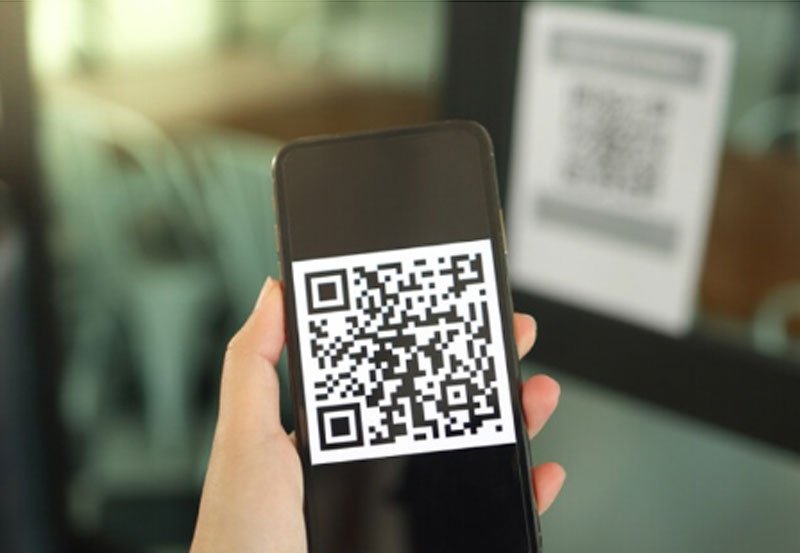
Amid Sri Lanka’s ongoing fuel-related challenges, the use of QR codes has become a widely discussed topic, highlighting the growing importance of digital solutions in managing limited resources.
The QR Code system was first developed in 1994 by Japanese engineer while working at , a subsidiary of . It was originally created to improve efficiency in tracking automotive parts within manufacturing processes.
Unlike traditional barcodes, QR codes can store significantly larger amounts of data and can be scanned at much higher speeds. The term “Quick Response” reflects this ability to be read rapidly and accurately.
Initially used only in industrial settings, QR codes gained global popularity with the rise of smartphones. Today, they are widely used for website access, advertising, ticketing systems, and digital payments.
Beyond these, QR codes are increasingly used across a wide range of services, including healthcare for patient records and appointment systems, education for accessing learning materials, public transport for e-ticketing, banking and fintech services for secure transactions, and government services for identity verification and information access.
The technology became especially important during the pandemic, enabling contactless services such as restaurant menus, payments, and information sharing.
In Sri Lanka, QR codes have recently been used in fuel distribution systems to manage supply more efficiently during shortages. This practical application has brought renewed public attention to a technology that was originally designed for industrial use but has since evolved into an essential tool for communication and data exchange worldwide.
From a simple solution for factory operations to a key component of modern digital infrastructure, QR codes continue to play a vital role in everyday life.