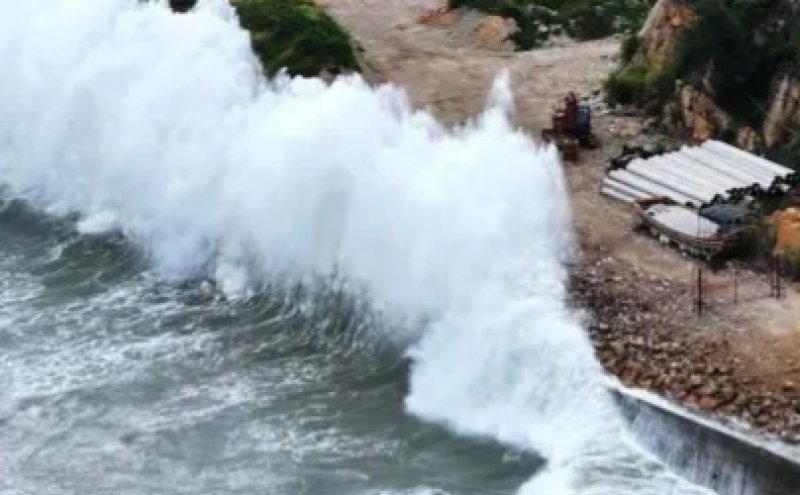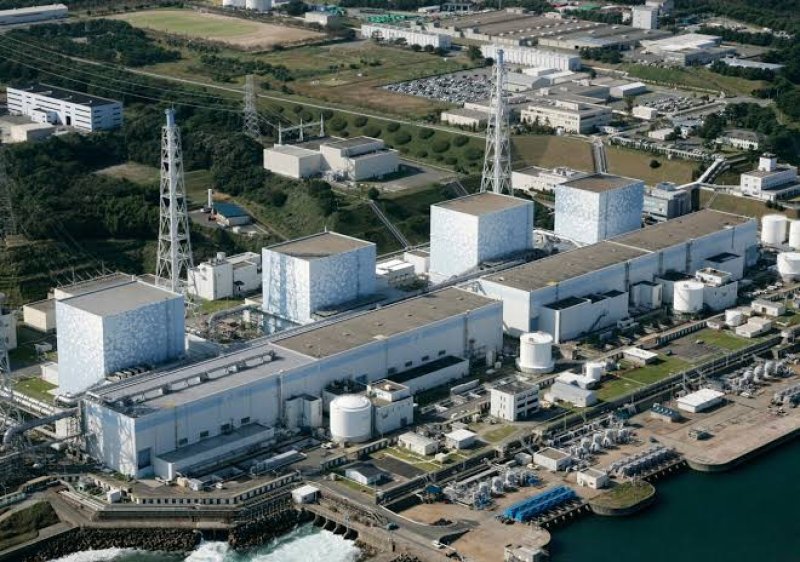
The nation’s trust in its nuclear energy infrastructure was destroyed by the 2011 triple meltdown at Fukushima, which was run by TEPCO, following a colossal earthquake and tsunami.
Just one reactor of the seven at Kashiwazaki-Kariwa will be restarted on Wednesday. When fully operational, the plant will generate 8.2 gigawatts of electricity, enough to power millions of households.
The plant is spread over 4.2sq km (1.6sq miles) of land in Niigata, on the coast of the Japan Sea.
Japan, which has suffered setbacks in its offshore wind rollout, is switching its focus back to nuclear power to strengthen energy security and reduce reliance on imported fossil fuels.
Kashiwazaki-Kariwa is the 15th plant to be restarted out of 33 that remain operable. Japan shut down all its 54 reactors in the wake of the 2011 disaster.
As well as restarting those plants that are possible to revive, Prime Minister Sanae Takaichi is pushing for the construction of new reactors.
The government recently announced a new state funding scheme to accelerate its nuclear power comeback.
restart of the Kashiwazaki-Kariwa plant, which has been fitted with a 15-metre-high (50-foot) tsunami wall and other safety upgrades, was delayed by a day as TEPCO investigated an alarm malfunction that it says has since been addressed.