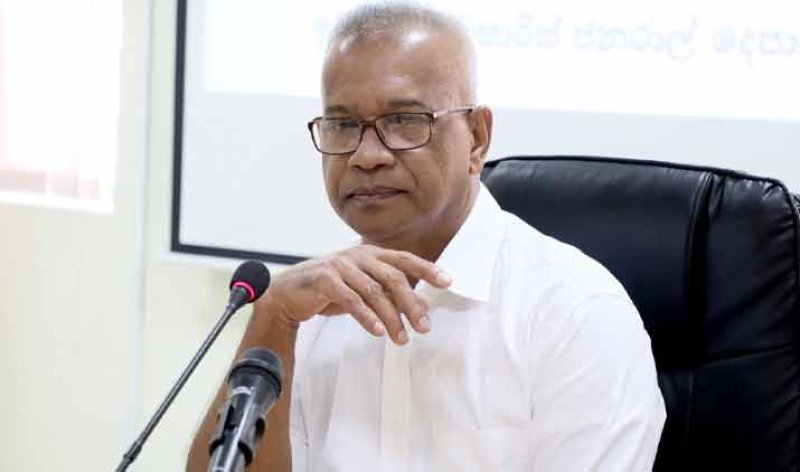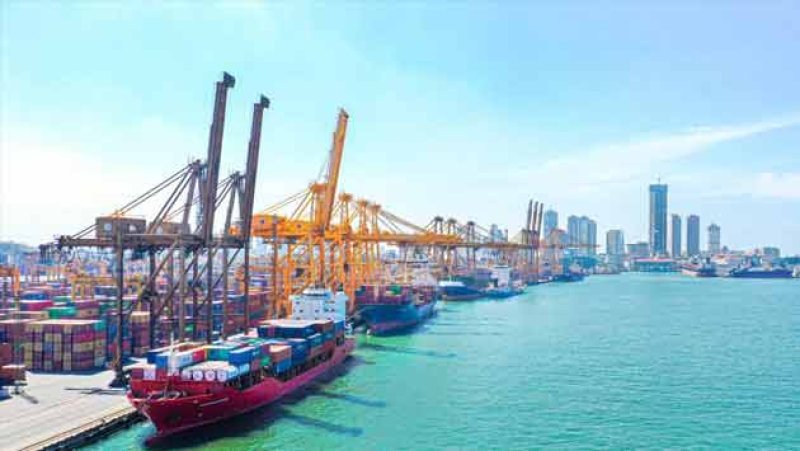
Sri Lanka’s ports, which currently contribute around 2.5% to the country’s Gross Domestic Product (GDP), are projected to increase their share to 6% by 2030, according to Shantha Kulasekara, Head of the Immigration and Border Management Division of the International Organization for Migration (IOM) in Sri Lanka.
Speaking at the Programme on Assessing the Tourism Clearance Arrangements at Sri Lankan Ports held yesterday, Kulasekara said the country’s strategic location along a key global sea route and its 15 official entry and exit points — including five airports and nine seaports — provide immense economic potential.
The programme forms part of the Exploratory Project on Providing Infrastructure, Security and Immigration Facilities for Travelling Through Sri Lanka’s Ports, a joint initiative between the IOM, the Government of Japan, and the Sri Lanka Ports Authority. The preliminary roadmap for improving travel clearance arrangements was presented at the Cinnamon Life Hotel.
Kulasekara highlighted that Sri Lanka’s proximity to India, where an estimated 40–50 million people are expected to join the upper-middle-class segment by 2030, represents a significant opportunity for tourism and trade growth.
The assessment focused on four main ports — Colombo, Galle, Trincomalee, and Kankesanthurai (KKS) — with Japanese-supported projects underway to enhance seaport and airport infrastructure.
Among the key improvements, an Automated Border Control System will be officially launched at Katunayake International Airport in December, while 17 advanced baggage and cargo scanning machines have been provided to strengthen security at airports and seaports.
Additionally, 150 washrooms at Bandaranaike International Airport are being renovated with touchless technology, and Border Health Offices under the Ministry of Health are being established at the Colombo Seaport and other locations.
Kulasekara said the US$8.4 million project, funded by the Government of Japan, spans both Sri Lanka and the Maldives, aiming to modernize port and airport operations while ensuring readiness to handle public health emergencies efficiently.