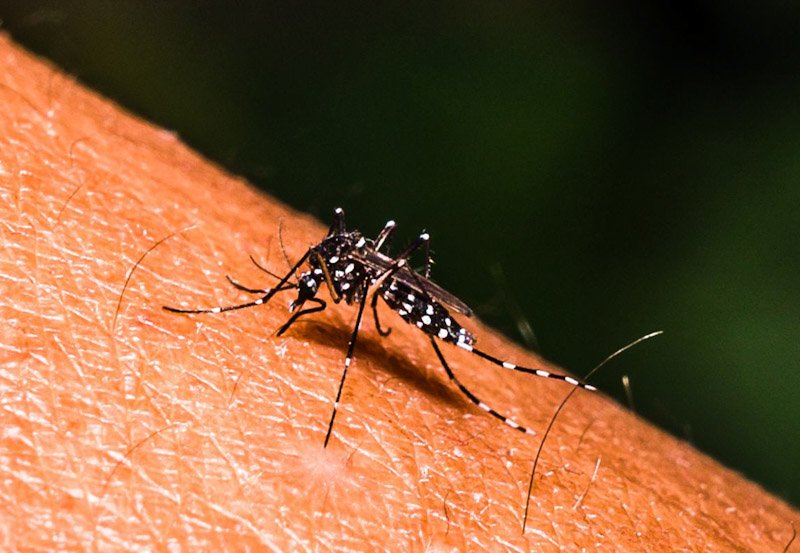
Health officials are sounding the alarm over the growing risk of a Chikungunya outbreak, a viral fever transmitted by the same mosquito species responsible for dengue. With cases of Chikungunya on the rise, experts are urging the public to take immediate action to eliminate mosquito breeding grounds in an effort to curb further spread.
Dr. Deepal Perera, a specialist at the Lady Ridgeway Children’s Hospital in Colombo, highlighted the urgent need for proactive measures to protect the public. “Patients infected with Chikungunya experience high fever, joint pain, and body rashes, similar to those seen in dengue cases,” Dr. Perera explained.
He emphasized that while the disease can be managed with rest, elderly individuals infected with Chikungunya may face prolonged joint pain that lasts for over two months. “Adequate rest is crucial for recovery,” Dr. Perera advised, stressing the importance of vigilance, especially among vulnerable groups such as the elderly.
Dr. Perera further cautioned that the risk of transmission increases when a mosquito infected with Chikungunya bites an infected patient and then transmits the virus to another individual. He called on the public to remain alert and ensure that their homes and surroundings are kept clean to minimize the risk of infection.
Health authorities continue to urge the community to act swiftly by eliminating stagnant water sources, such as in containers, tires, and other items that can serve as mosquito breeding grounds. Preventing these breeding sites is critical to stopping the spread of this dangerous viral disease.
With the rising threat of Chikungunya, public cooperation is essential to avoid a full-scale outbreak.