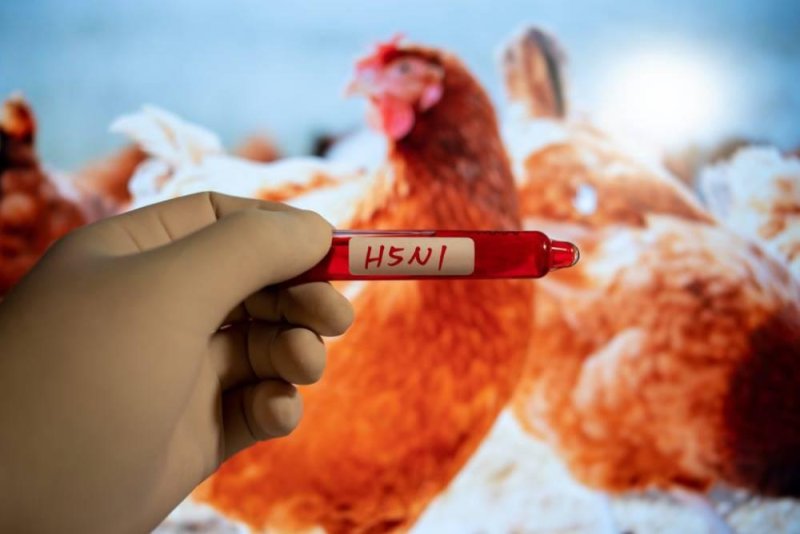
The World Health Organization (WHO) has issued a stark warning to Sri Lanka stressing the need to ramp up vigilance against bird flu in humans, a threat that has already been detected in neighbouring countries .
Dr Jude Jayamaha, a Consultant Virologist at the Medical Research Institute (MRI), expressed concern about the various avian influenza strains due to their potential to mutate and adapt to new hosts, including humans.
Dr Jayamaha said, “Sri Lanka has developed the capacity to detect H9, H7, and H5 bird flu cases in humans. Additionally, our routine influenza surveillance at sentinel site hospitals is equipped to identify any suspected cases of bird flu in humans.
Avian influenza Type A viruses (bird flu viruses) do not normally infect people, but rare cases of human infection have occurred with some bird flu viruses. Illnesses in humans from bird flu virus infections have ranged in severity from no symptoms or mild illness (e.g., eye infection, upper respiratory symptoms) to severe disease (e.g., pneumonia) that resulted in death.
Human infections with bird flu viruses have most often occurred after close or lengthy unprotected contact (i.e., not wearing gloves or respiratory protection or eye protection) with infected birds or places that sick birds or their saliva, mucous and feces have touched. Very rarely, human infections with bird flu viruses have happened through an intermediary animal, including a cat and a cow.
Human infections with bird flu viruses can happen when virus gets into a person's eyes, nose or mouth, or is inhaled. This can happen when virus is in the air (in droplets or possibly dust) and a person breathes it in, or possibly when a person touches something that has virus on it and then touches their mouth, eyes or nose. The spread of bird flu viruses from one infected person to a close contact is very rare, and when it has happened, it has not led to continued spread among people.
Six main hemagglutinin (HA) subtypes of bird flu viruses have infected people to cause acute respiratory illness (H3, H5, H6, H7, H9, and H10 viruses). Among these, H5N1 and H7N9 viruses have caused the majority of infections in people.
- Wear protective clothing — like gloves, a mask and goggles — when working with birds, wild animals and livestock.
- Wash your hands frequently when handling birds, wild animals and livestock or after being in areas where they live. This includes visiting petting zoos, farms or areas with water features that geese or ducks frequent.
- Don’t work with animals who’ve been exposed to avian influenza. In case of an outbreak, follow public health guidelines to limit the spread.
- Take your shoes off before entering your home after being in areas where birds like waterfowl or chickens live. This reduces the risk of spreading bird droppings (or anything else that could be contaminated with the virus) around your house.
Public health authorities — like the Centers for Disease Control and Prevention (CDC) in the U.S. — monitor cases of bird flu in animals and people to try to reduce the risk of spread. They have vaccines for avian flu that could quickly be put into use if there were a risk of an outbreak.