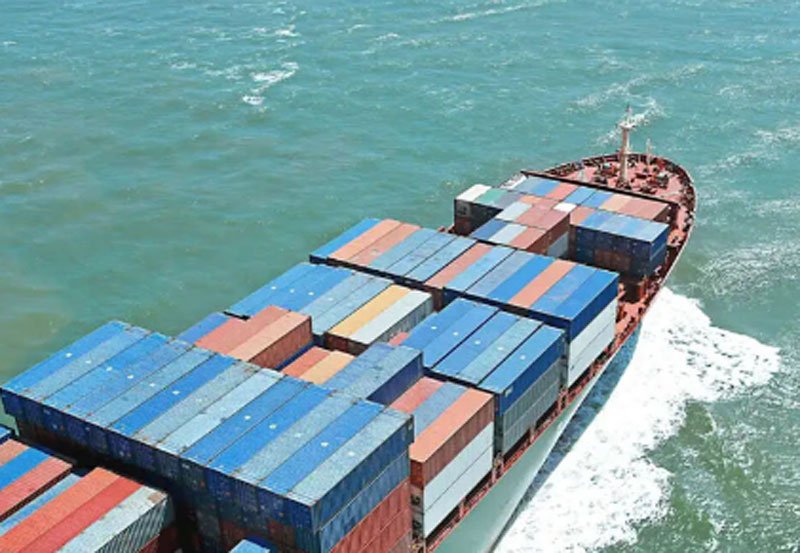
Sri Lankan businesses are facing a formidable challenge as sea freight rates surge by an unprecedented 300 percent, raising concerns and disrupting the country's import and export sectors.
Expressing deep concern over the sharp increase in rates imposed by shipping lines navigating the waters of the Cape of Good Hope en route to Europe and the United States, the Sri Lanka Shippers’ Council (SLSC) issued a statement yesterday highlighting the significant impact on the nation's manufacturers and Small and Medium Enterprises (SMEs).
The SLSC emphasized that the sudden surge in freight costs is causing a ripple effect, hampering the global competitiveness of Sri Lankan businesses. Of particular concern is the allocation of space, with transshipment movements currently being prioritized, further complicating logistics and increasing costs.
Amid these challenges, the Council stressed the importance of maintaining global competitiveness and sustainable business practices. It revealed ongoing discussions with relevant stakeholders to address the issue and seek solutions that balance the commercial interests of service providers with the viability of Sri Lanka's import and export sectors.
"As Sri Lanka positions itself as a key player in the global trade landscape, the SLSC remains committed to navigating challenges and fostering a conducive environment for businesses to thrive," the statement affirmed.
The United Nations Conference on Trade and Development (UNCTAD) released a report last week, highlighting the severe impact of recent attacks on commercial vessels in the Red Sea on shipping through the Suez Canal. These incidents, compounded by existing geopolitical and climate-related challenges, have disrupted global trade and supply chains.
UNCTAD warned of far-reaching economic implications stemming from prolonged disruptions in container shipping, which could potentially delay deliveries and lead to higher costs and inflation. Consumers are expected to feel the full impact of soaring freight rates within a year, further exacerbating economic challenges.
As Sri Lanka navigates through these tumultuous times, concerted efforts from stakeholders are imperative to mitigate the adverse effects on businesses and ensure the resilience of the country's trade ecosystem in the face of evolving global dynamics.