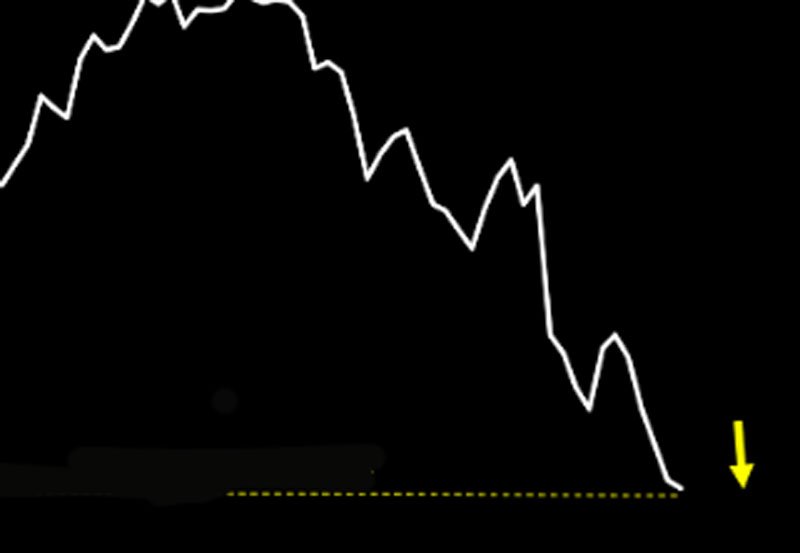
Last week marked a significant downturn in foreign holdings within Sri Lanka's government securities, plummeting to under Rs.100 billion, the lowest recorded since April of the previous year.
This decline underscores a prolonged trend of foreign investors divesting from bills and bonds in Sri Lankan treasuries, a pattern that has persisted since mid-last year.
Central Bank data revealed that foreign investors shed Rs.4,442 million equivalent of bills and bonds during the week ending February 22, reducing their total government securities portfolio to Rs.99,164 million. The year saw a net offloading of Rs.18,277 million in bills and bonds, following a net acquisition of Rs.91,869 million in treasuries last year, despite their shift to net selling in the latter half of the year.
Foreign inflows into Sri Lankan securities gained momentum following the announcement of a Staff-level agreement with the International Monetary Fund (IMF) in September 2022. The subsequent months witnessed an uptick in bond holdings, possibly influenced by Sri Lanka's improving economic conditions, including enhanced foreign currency liquidity and the unlocking of the IMF bailout in March.
However, this optimistic trend was short-lived as foreign investors began divesting from July onwards, following a peak holding of Rs.188,984 million by the end of June. The rationale behind this shift remains unclear, despite the nation's economic strides. One potential explanation is the allure of higher yields offered by US treasuries, presenting foreign investors with a more favorable risk/return profile for their fixed income allocations.
The prevailing secondary market indicates a 10.11 percent yield for the benchmark 12-month bill and a steady 12.99 percent yield for the equivalent 10-year bond compared to the previous week. Accounting for taxes and inflation, the 12-month bill effectively offers a negative yield for investors taxed at the highest income bracket. Moreover, foreign investors venturing into Sri Lankan treasuries assume foreign exchange risks, despite the present stability in exchange rates.
In December 2014, foreign holdings in Sri Lankan government securities peaked at over Rs.453 billion, approximately US$ 3.5 billion, before the electorate ushered in a new government led by the Sirisena-Wickremesinghe coalition, advocating for 'good governance'. By the end of their term in 2019, foreign holdings had dwindled to Rs.104,678 million, less than a quarter of the initial figure at the onset of their administration in 2015.