In a pioneering move aimed at fostering rehabilitation and productivity among incarcerated individuals,
Sri Lanka's Department of Prisons and the Industrial Development Board have inked a memorandum of understanding (MoU) to establish industries within prison facilities across the nation.
Commissioner General of Prisons, Thushara Upuldeniya, underscored the significance of the initiative, emphasizing its dual benefit for both inmates and the country. Through this collaborative effort, inmates will have the opportunity to contribute to the government's expenses during their imprisonment while developing valuable skills and earning potential.
The memorandum seeks to open doors for entrepreneurs and industrialists to establish industries within prison premises, providing inmates with practical training and certification opportunities endorsed by both the Industrial Development Board and the Prisons Department.
Chairman of the Industrial Development Board, Saranga Alahapperuma, highlighted the transformative potential of the agreement, envisioning incarcerated individuals as productive assets for society and the nation at large. The move also aims to align Sri Lanka with global practices, where incarcerated workforces often serve as sources of inexpensive labor in developed countries.
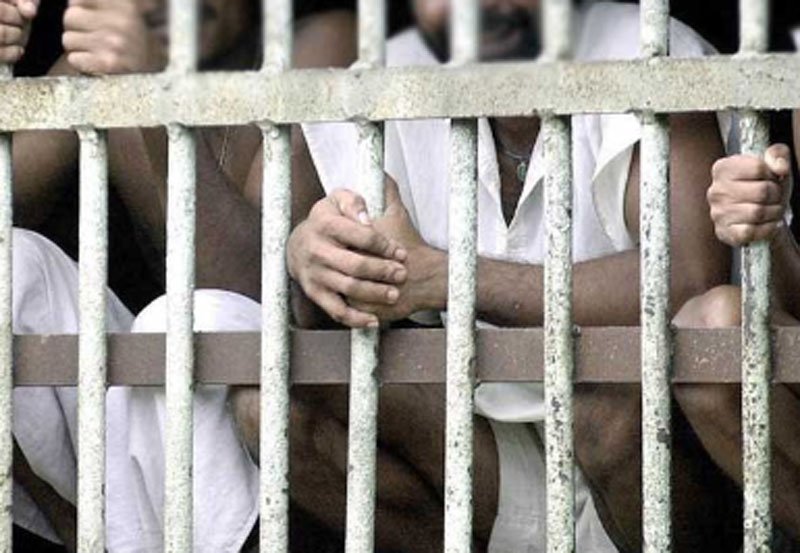
Approximately 11,000 inmates populate Sri Lanka's prisons, with around 5,000 already engaged in various industrial activities. The MoU aims to mobilize the remaining 6,000 inmates for participation in industrial endeavors, enhancing the scale and impact of existing prison-based initiatives.
Minister of Justice, Prison Affairs, and Constitutional Reforms, Wijayadasa Rajapaksa, presided over the signing ceremony, underscoring the government's commitment to innovative approaches to rehabilitation and reintegration. The program holds the promise of equipping former inmates with the skills and experiences necessary for seamless reintegration into society post-incarceration.