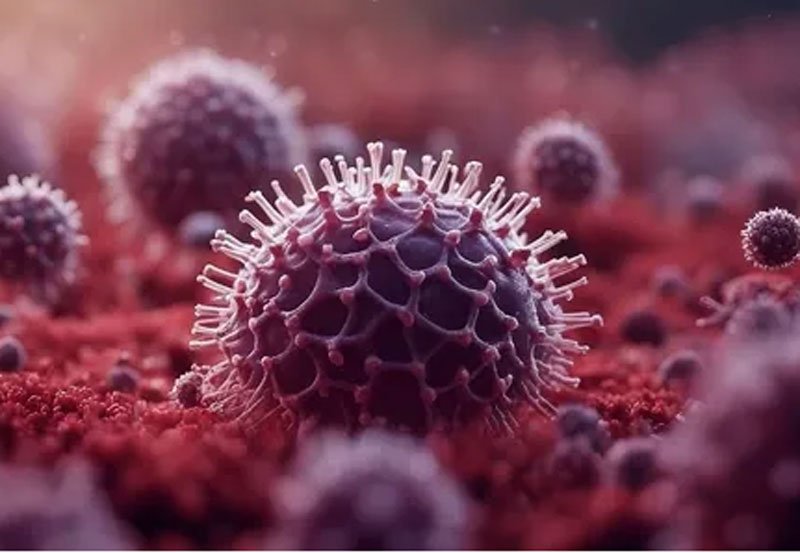
Following the recent outbreak of the Nipah virus in the South Indian State of Kerala, health authorities in Sri Lanka have taken note of the situation but have ruled out any immediate threat to the country.
Chief Epidemiologist Dr. Samitha Ginige emphasized that the Nipah virus is not a new phenomenon, as it was first detected in Malaysia back in 1998. He explained that previous outbreaks of the virus did not result in major epidemics.
However, Bangladesh, India, and the Philippines have experienced outbreaks since then, with Bangladesh reporting almost annual occurrences between 2001 and 2013, mostly linked to contact with fruit bats.
Dr. Ginige assured the public that Sri Lanka will closely monitor the new developments of the virus. As a precautionary measure, the Ministry of Health has taken steps to import testing kits for early detection of Nipah infections.
Symptoms of the Nipah virus typically appear between four and 14 days after exposure and include fever, headache, cough, sore throat, difficulty breathing, and vomiting.
The Nipah virus can infect both humans and animals, primarily through the consumption of contaminated food or drinks, which have been exposed to bat urine, saliva, or droppings. Human-to-human transmission occurs through direct contact with infected patients and their bodily secretions, such as urine, blood, and respiratory droplets.
The Nipah virus is an RNA virus, which tends to mutate at high rates, allowing it to adapt to new hosts and respond to challenges posed by their immune systems.