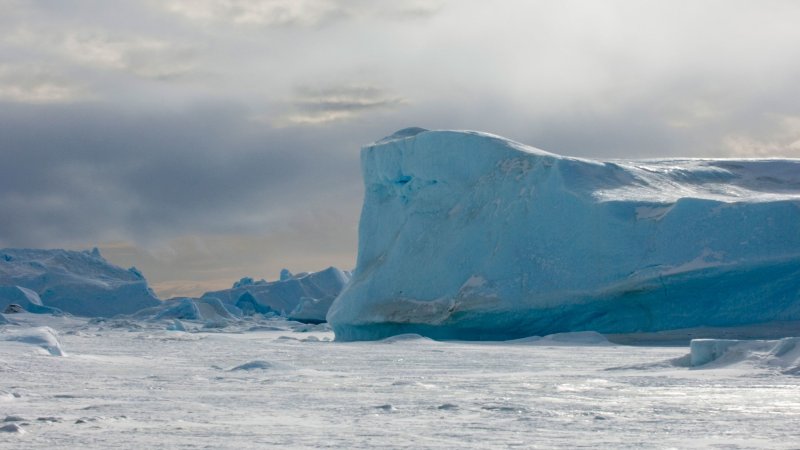
Satellite data reveals that the sea-ice surrounding Antarctica has reached a new winter low, a concerning development for a region that was once believed to be resistant to global warming.
Missing winter sea-ice signals changes in Antarctica that could be 'absolute disaster for the world', scientists say. BBC News Climate & Science and Data Journalism Team "It's so far outside anything we've seen, it's almost mind-blowing," says Walter Meier, who monitors sea-ice with the National Snow and Ice Data Center.
Antarctica's huge ice expanse regulates the planet's temperature, as the white surface reflects the Sun's energy back into the atmosphere and also cools the water beneath and near it. The ice that floats on the Antarctic Ocean's surface now measures less than 17 million sq km - that is 1.5 million sq km of sea-ice less than the September average, and well below previous winter record lows.
Dr Meier is not optimistic that the sea-ice will recover to a significant degree. In a year when , some scientists insist the low sea-ice is the measure to pay attention to. Already braving isolation, extreme cold and powerful winds, this year's thin sea-ice has made his team's work even more difficult. "There is a risk that it breaks off and drifts out to sea with us on it," Dr Mallet says. Hesd Tocu jdg6y