In a strong stance against the Office of the United Nations High Commissioner for Human Rights (OHCHR), Sri Lanka has rejected all Conclusions and Recommendations made by the organization.
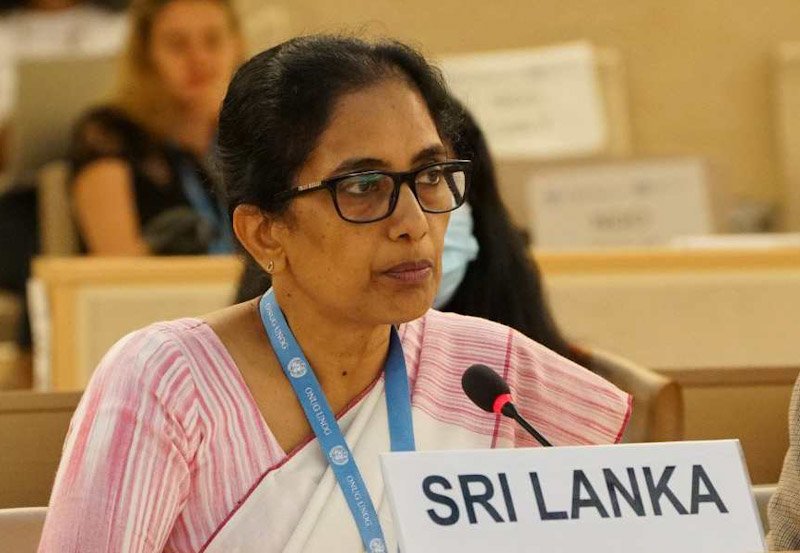
The country expressed concern over the OHCHR's expanding mandate, which it believes includes invasive and sweeping comments on all aspects of human rights. Speaking at the 54th Session of the Human Rights Council in Geneva, Sri Lanka's Permanent Representative to the United Nations, Himalee Arunatilaka, criticized the OHCHR's conclusions, stating that they were based on incorrect and unsubstantiated sources.
Arunatilaka argued that these conclusions violated the principles of natural justice and the principles of universality, impartiality, objectivity, and non-selectivity.
Moreover, Sri Lanka condemned the intrusive and polarizing nature of the resolutions, claiming that they were supported by only a few countries for reasons unrelated to human rights but rather driven by domestic politics and vote bank considerations. The rejection of the OHCHR's mandate has garnered support from other countries, with many expressing serious concerns over the budgetary implications of the resolution.
Sri Lanka has repeatedly emphasized that this mandate is unproductive and drains the resources of the Human Rights Council and its members. As a result, Sri Lanka has declared that it will not cooperate with the OHCHR's resolutions.
This strong stance by Sri Lanka highlights the growing discontent among certain nations regarding the expanding role of the OHCHR and its impact on national sovereignty and resources.
The rejection of the mandate raises questions about the future of international cooperation on human rights issues and the effectiveness of the United Nations in addressing global human rights concerns.