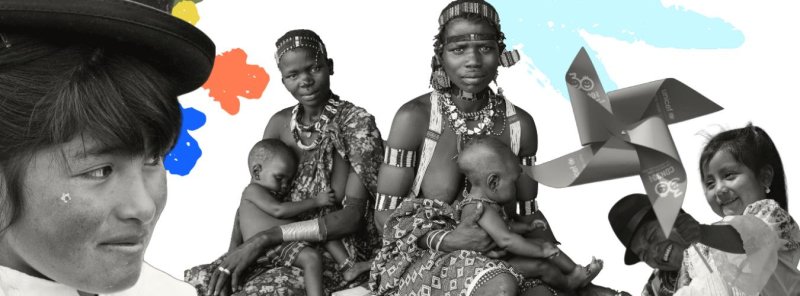
Violations of the rights of the world's Indigenous Peoples have become a persistent problem, sometimes because of a historical burden from their colonization backgrounds and others because of the contrast with a constantly changing society. In response to this problem, let’s remember every August 9 that Indigenous Peoples have the right to make their own decisions and carry them out meaningfully and culturally appropriate to them.
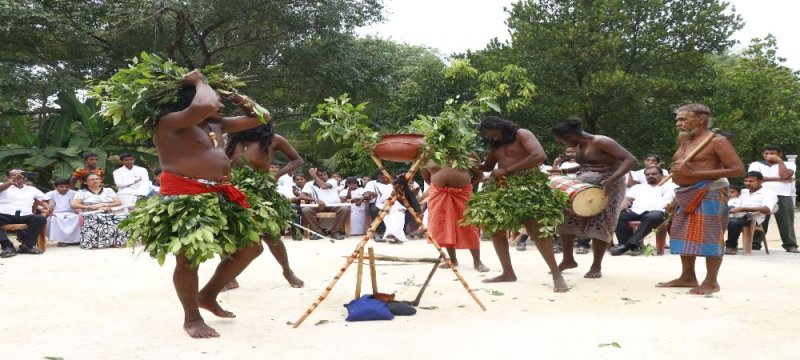
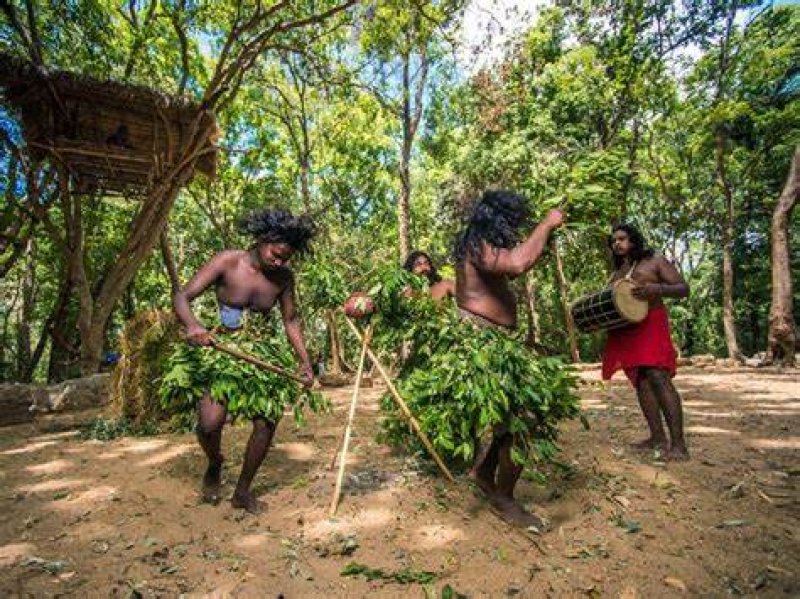
The Indigenous People of Sri Lanka, more commonly known as “veddas” are a minority indigenous community in Sri Lanka, a speck of land amidst the bright blue Indian ocean. Considered as the first people or the forebears of this magnificent island, the veddas have a captivating story regarding their origin.
According to the island’s fascinating historical chronicle-The Mahavansa, it is said that the veddas are the children or descendants of Queen Kuveni, a Yaksha and the wife of Sri Lanka’s legendary first King Vijay (5th BC). In order to ascend to the throne King Vijay expelled his queen and children into the forests. With time they learned to live off the jungle eating fruits and hunting animals. After that, the group multiplied into the cultural community we now call as “veddas”.
Like any other tribal community around the world ,this indigenous group too depend mainly on the jungle for its survival. Veddas were originally hunter-gatherers. They used bows and arrows to hunt game and execute silently, harpoons and toxic plants for fishing and gathered wild plants, yams, honey, fruit and nuts. Many veddas also do farming which specially includes chena cultivation where they cultivate kurakkan, rice and grains.
They being a noble tribal group only kill for food and do not harm the young or pregnant animals .Game is commonly shared between family and clans. Even the poison they use to catch fish are organic and taken from various plants.
Until fairly recent times, the clothing of the Veddas was limited. In the case of men, it consisted only of a loincloth suspended with a string at the waist, while in the case of women, it was a piece of cloth that extended from the navel to the knees. Today, however, Vedda attire is more covering, men wear short sarongs while women wear attires which cover them completely.
The most important natural resource that the Vedda depends on is coconut palm. Coconut palms provide them with fruit throughout the year without fail. The coconut palm doesn’t only provide food but also provides plenty of material to build huts, create shelter, make rope and even bowls to keep things in.
One of the staple foods gathered by the Vedda is wild honey, which they collect by climbing trees where the hives are and burning dry leaves to ward the bees away. This is a very gruesome yet rewarding activity as bee sting can be very painful but the wild honey tastes very sweet. Every year around June, they go on a two-month long honey hunt, taking only rice and chili with them. The honey collected is used as food, to keep the game fresh and also as a medicine.
The medicines of veddas are not that developed but they have various techniques to treat wounds and broken bones. The ointment they prepare are 100% herbal and environment friendly. They believe in spirits to heal them and guide them towards wellbeing.
Vedda marriage is a simple ceremony. It consists of the bride tying a bark rope (Diya lanuva) that she has twisted, around the waist of the groom. This symbolizes the bride’s acceptance of the man as her mate and life partner.
Death, too, is a simple affair without ostentatious funeral ceremonies where the corpse of the deceased is promptly buried. At the head of the grave were kept three open coconuts and a small bundle of wood, while at its foot were kept an opened coconut and an untouched coconut. Personal possessions like the bow, arrow, betel pouch were also buried with the body.
The vedda lullaby is considered as the oldest lullaby in the world. The tradition is that Kuweni the Yakkha Queen of Vijaya sang this lullaby to lull the children to sleep .This lullaby is artistically designed and its three divisions come to life when the vedda women sing it to lull their babies .The parts are sung to three varying tunes and rhythms.
If you’re interested in visiting the Vedda, there are many locations for you to enter the tribal community and explore their divine culture. The tribal chiefs will take you through the community and explain the unique methods they use for their survival enriching you with some valuable historic facts. You can also purchase artifacts; handmade accessories and also fresh wild bee honey bottles directly collected from the jungle.
The veddas, predominantly live in the areas of Dabana and Mahiyanganaya.You can take a tour through the vedda community, learn their methods of hunting and check out their prolonged magnificent history.
In this context of demand for self-determination, Indigenous youth are working as agents of change at the forefront of some of the most pressing crises facing humanity today.
For instance, Indigenous youth are harnessing cutting-edge technologies and developing new skills to offer solutions and contribute to a more sustainable, peaceful future for our people and planet.
But their future depends as well on the decisions that are made today. Their representation and participation in global efforts towards climate change mitigation, peacebuilding, and digital cooperation are crucial for the effective implementation of their rights as indigenous.
This International Day of Indigenous Peoples 2023, under the title of "Indigenous youth as agents of change for self-determination", revindicates the role that indigenous youth must occupy in decision-making while recognizing their dedicated efforts in climate action, the search for justice for their people, and the creation of an intergenerational connection that keeps their culture, traditions, and contributions alive.
We need indigenous communities for a better world
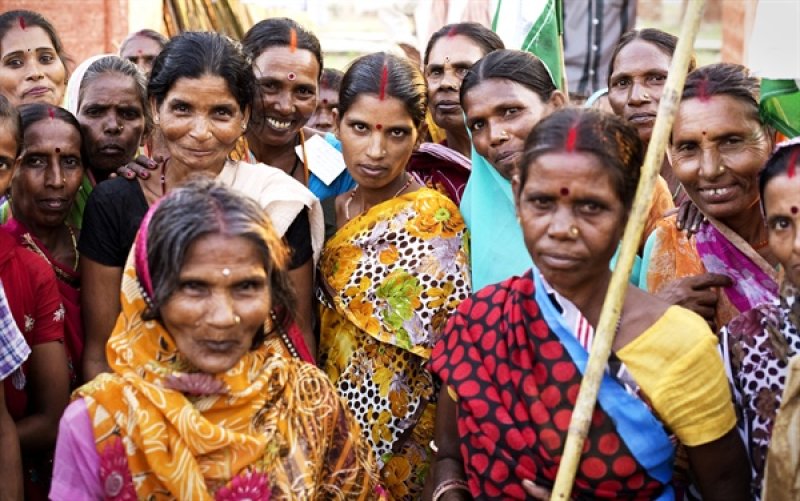
There are an estimated 476 million indigenous peoples in the world living across 90 countries. They make up less than 5 per cent of the world's population, but account for 15 per cent of the poorest. They speak an overwhelming majority of the world’s estimated 7,000 languages and represent 5,000 different cultures.
Indigenous Peoples are inheritors and practitioners of unique cultures and ways of relating to people and the environment. They have retained social, cultural, economic and political characteristics that are distinct from those of the dominant societies in which they live. Despite their cultural differences, indigenous peoples from around the world share common problems related to the protection of their rights as distinct peoples.
Indigenous Peoples have sought recognition of their identities, their way of life and their right to traditional lands, territories and natural resources for years. Yet, throughout history, their rights have been violated. Indigenous Peoples today, are arguably among the most disadvantaged and vulnerable groups of people in the world. The international community now recognizes that special measures are required to protect their rights and maintain their distinct cultures and way of life.
In order to raise awareness of the needs of these population groups, every 9 August commemorates the International Day of the World’s Indigenous Peoples, chosen in recognition of the first meeting of the UN Working Group on Indigenous Populations held in Geneva in 1982.
 Indegines pepole
 Indigenes people
 Indigenes people