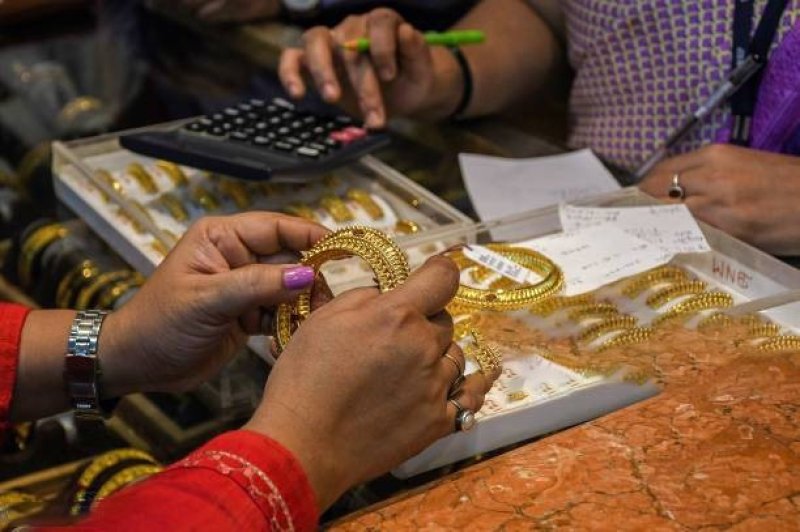
Sri Lankans have pawned gold of gold pledged through licensed commercial banks reached Rs. 149.7 billion, representing an 11.12 per cent increase compared with December 2025. The figures point to a significant rise in the use of gold jewellery and other gold articles worth nearly Rs. 150 billion at licensed commercial banks during the first five months of 2026, according to data from the Central Bank of Sri Lanka.
The value of gold pledged through licensed commercial banks reached Rs. 149.7 billion, representing an 11.12 per cent increase compared with December 2025. The figures point to a significant rise in the use of gold-backed borrowing by households.
Gold pawning traditionally sees higher demand during festive periods, particularly towards the end of the year when families face additional expenses. However, the increase recorded during the first five months of this year has drawn attention because it occurred outside the usual festive period.
The Central Bank has also reported strong growth in gold-backed lending by finance companies. Gold-backed lending in the finance company sector increased by 69.2 per cent year-on-year by the end of the first quarter of 2026.
The figures from licensed commercial banks do not cover borrowing through informal lenders or other unlicensed sources. As a result, the total value of gold pledged by households could be higher when such transactions are taken into account.
The increase in gold-backed borrowing comes amid broader changes in household and financial-sector borrowing. The Central Bank has noted accelerated credit growth during the first quarter of 2026, while also highlighting the rapid expansion of gold-backed lending in the finance company sector.
The Central Bank introduced a maximum loan-to-value ratio of 70 per cent for credit facilities secured by gold with effect from May 25, 2026, as part of measures aimed at maintaining financial-system stability amid the significant expansion of collateral-based lending.
The growing reliance on gold-backed loans highlights the importance of monitoring household borrowing and debt levels as Sri Lankans continue to use personal assets as collateral to meet financial needs.