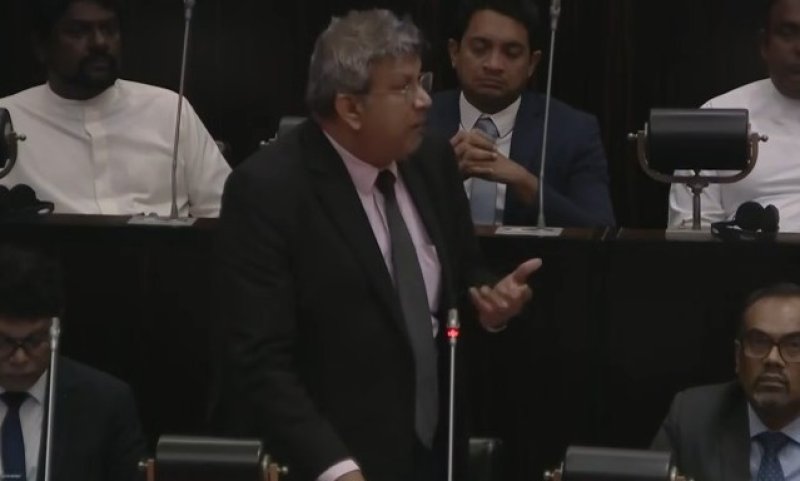
Justice Minister Harshana Nanayakkara told Parliament that the August 1 unrest at Mahara Prison appeared to involve an organised attempt to sabotage prison operations, as he outlined the timeline of events and preliminary findings of the investigation.
Making a statement in Parliament, the Minister said the incident began at around 3.45 p.m. on August 1, when three inmates climbed onto the prison kitchen roof to stage a protest. He said the Prison Superintendent attempted to negotiate with the inmates for about 15 minutes, but the situation escalated when more than 100 inmates from several wards gathered at the location and began rioting.
He said inmates threw stones at the main gate and surrounding areas, forcing prison officials to withdraw and secure the inner iron gates. Authorities then used tear gas and rubber bullets in an attempt to bring the situation under control.
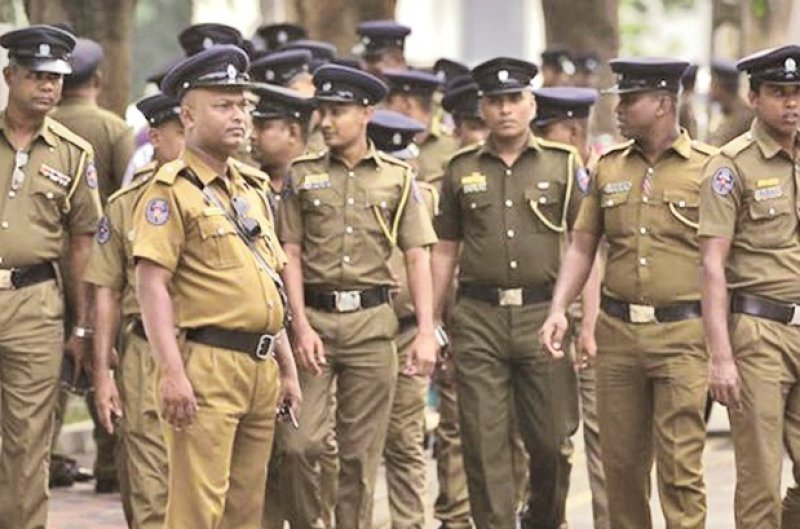
During the unrest, several key prison facilities were set on fire, including the Chief Jailor’s office, the discipline and records section, the industrial workshop and the kitchen. The Minister said Police, the Special Task Force (STF) and the Army were deployed to reinforce security and secure the prison premises.
According to Minister Nanayakkara, by 7.00 a.m. the following day, security forces had entered the prison compound, confined inmates to their respective wards and restored complete control. One inmate died and eight others were injured and hospitalised during the incident, while no prison officers sustained injuries.
The Minister said the incident differed significantly from previous prison clashes, such as those involving rival groups linked to drug-related disputes. He said the Mahara unrest appeared to be directed against the prison administration itself, raising concerns over possible organised sabotage.
Questioning the circumstances surrounding the destruction, the Minister said investigations were examining how a large group of inmates gathered simultaneously and why essential facilities, including the kitchen, dispensary and administrative offices, were deliberately set on fire. He said the destruction appeared aimed at making the facility uninhabitable and that possible external involvement was also being examined.
The Minister stressed that those responsible for damaging public property would face legal action, noting that the cost of rebuilding prison facilities ultimately falls on taxpayers.
He said a Cabinet-appointed committee headed by Ananda Jayapala, with the participation of ministry officials, police, the Government Analyst and legal experts, is conducting a comprehensive investigation into the incident.
Minister Nanayakkara added that security and coordination measures had been strengthened across all prisons following intelligence reports indicating possible unrest at two or three other facilities.