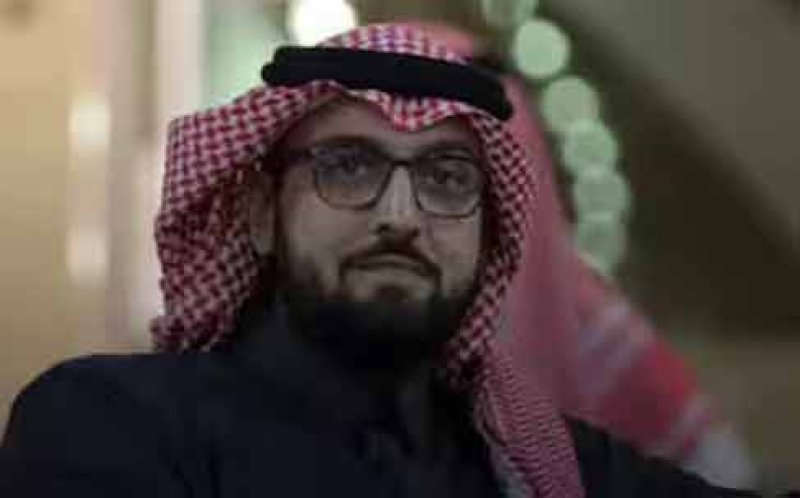
A Saudi prince who was found dead in a luxury London hotel last year had alcohol, the recreational drug gamma-hydroxybutyrate (GHB), cannabis and the anti-anxiety medication Xanax in his system, according to a toxicology report presented before a UK court.
According to The Telegraph, Prince Abdullah bin Fahad bin Abdullah bin Abdulaziz bin Jalawi al Saud had a blood alcohol level of 222mg per 100ml of blood—almost three times the UK’s legal drink-drive limit of 80mg.
An inquest at Inner West London Coroner’s Court heard that the 29-year-old member of Saudi Arabia’s ruling family suffered a cardiac arrest after consuming a combination of alcohol and drugs. His body was discovered in the bathroom of his €600-a-night room at the Marriott Hotel in Kensington, west London, on November 25 last year.
The inquest heard that Prince Abdullah had been struggling with alcohol and Xanax dependence before his death.
Three months earlier, he had been admitted to the Priory Clinic in Roehampton, London, where treatment can reportedly cost up to €35,000 a week. During his stay, he underwent detoxification for alcohol, benzodiazepines and the anti-anxiety drug pregabalin.
Following his discharge from the Priory, the prince continued treatment at Rainford Hall, a private rehabilitation clinic in Merseyside that reportedly charges around €7,000 a week. He was also diagnosed with an upper respiratory tract infection during his stay and was discharged on October 14.
He later checked into the Marriott Hotel on November 19 for what was intended to be a week-long stay. CCTV footage showed him leaving the hotel for a smoke on the evening before his death.
Cardiac arrest caused by drugs and alcohol
The court heard that hotel staff discovered the prince lying fully clothed on the bathroom floor of his locked fifth-floor room. Emergency responders attempted to revive him but were unsuccessful.
Toxicology tests found potentially fatal levels of GHB, commonly known as a “party drug”, in addition to alcohol, cannabis and alprazolam (Xanax), along with other anti-anxiety medications.
A postmortem examination concluded that Prince Abdullah died after suffering a cardiac arrest triggered by the combined effects of alcohol and drugs.
No evidence of foul play
The inquest was told that Prince Abdullah was not considered to be at risk of suicide.
Police investigations also found no evidence of third-party involvement. CCTV footage showed the prince was alone on the night before his death, according to the report.