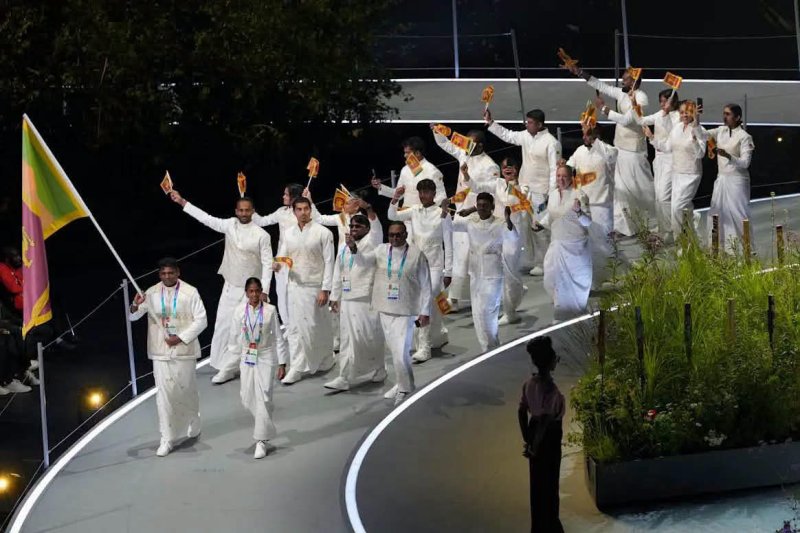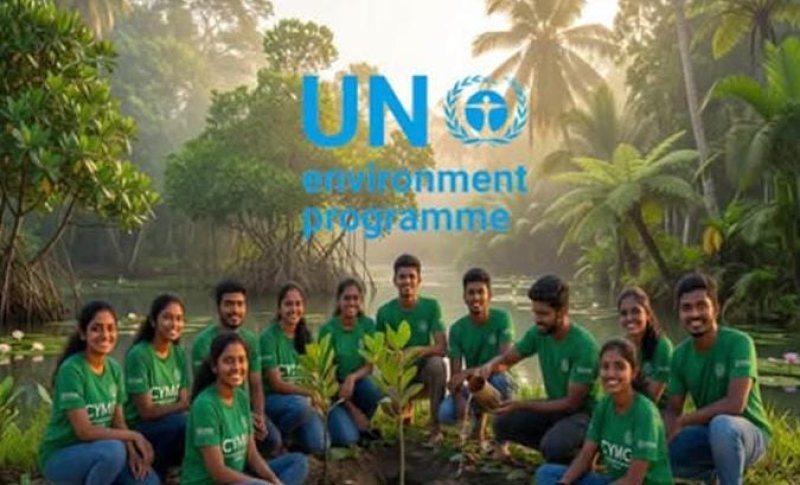

A landmark step taken by Sri Lanka on the international stage to empower this active contribution of youth globally has yielded successful results.
In December 2025, a resolution submitted by Sri Lanka was unanimously adopted at the Seventh Session of the United Nations Environment Assembly (UNEA-7), held at the United Nations Environment Programme (UNEP) headquarters in Nairobi, Kenya.
The Global Environmental Dialogue and UNEA-7
Attended by over 6,000 delegates representing 186 countries, this week-long assembly focused primarily on finding sustainable solutions to the 'Triple Planetary Crisis': climate change, biodiversity loss, and pollution.
The summit concluded with the adoption of 11 out of 18 resolutions submitted by member states, alongside the approval of UNEP's Medium-Term Strategy for the next four years.
Sri Lanka’s Resolution and Its Significance
At this assembly, Sri Lanka’s resolution titled "Enhancing the Meaningful Participation of Youth in Environmental Action and Environmental Education" received immense praise from the global community.
Children and youth face the greatest vulnerability in the wake of deforestation, land degradation, and climate change driven by current human activities. Accordingly, this resolution:
• Officially emphasizes the pivotal role of youth as future representatives in addressing and resolving environmental challenges.
• Empowers the role of children and youth as central actors in both global and national environmental governance.
• Recognizes the contribution of UNEP’s 'Children and Youth Major Group' (CYMG) and identifies the need to create an enabling environment that guarantees youth participation.
Moving international victory into national action
The Sri Lankan Ministry of Environment is already making arrangements to put the resolution into practical effect in the country, after its unanimous adoption by the international community.
To this end, the Ministry of Environment and the Ministry of Sports and Youth Affairs are working together to involve the youth generation directly in environmental conservation efforts through the island-wide network of Youth Clubs. This project aims to lay the foundation for building a sustainable Sri Lanka.