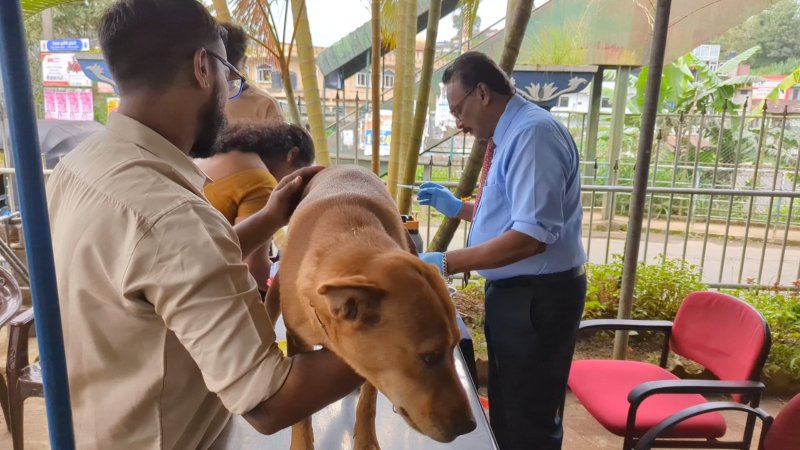

Programme Director Dr. Niroshan Gamage said rabies fatalities have continued to decline in recent years. A total of 14 deaths were reported in 2025, down from 20 deaths in 2024. During the first quarter of 2026, three rabies-related deaths have been recorded.
Dr. Gamage noted that the government allocates approximately Rs. 800 million annually for human rabies treatment and preventive measures. In addition, around Rs. 2.5 billion is spent each year on vaccination programmes targeting dogs and other animals, which form a key component of the country's rabies control strategy.
He emphasized that nearly 99 percent of rabies deaths in Sri Lanka are associated with dog bites, underscoring the importance of responsible pet ownership, vaccination, and population management initiatives.
According to programme estimates, Sri Lanka’s dog population stands at about 2.7 million, equivalent to roughly one dog for every eight people. Authorities continue to promote widespread animal vaccination, public awareness campaigns, and timely access to post-exposure treatment to further reduce the risk of rabies transmission.
The National Rabies Control Programme remains focused on achieving the national target of eliminating rabies-related deaths by 2030 through sustained investment, preventive healthcare measures, and strengthened animal health interventions.