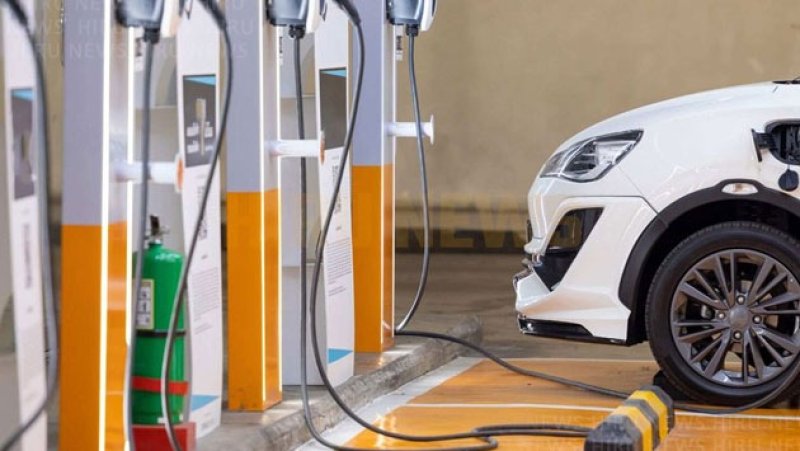
Referring to the increasing number of electric vehicle charging points now operating in urban areas, the President said the shift toward alternative energy shows how important it is for the country to plan ahead during a period of global instability caused by the ongoing conflict in the Middle East. He noted that the current situation has created anxiety among citizens about transport, electricity, fuel availability and the continuity of daily life.
He said such concerns are understandable because Sri Lanka has experienced severe shortages in the past, and people fear a repeat of those difficulties. However, the President assured that the Government has taken extensive measures to prevent a crisis and maintain uninterrupted supply of fuel, gas and coal.
The President reiterated that Sri Lanka has taken a neutral position in the Middle East conflict and will continue to act in a way that protects that neutrality while maintaining economic stability. According to him, the country’s recent economic recovery has given the Government the strength to face external shocks without allowing them to disrupt the lives of ordinary citizens.
He pointed out that strong economic performance in recent months, including higher revenue collection and increased foreign currency reserves, has helped the country prepare for unexpected situations. Despite this, he said the current crisis in the global energy market has affected supply chains worldwide, causing delays in fuel shipments and increasing costs.
The President revealed that two scheduled crude oil shipments have already been delayed, creating pressure on the planned fuel distribution system. He explained that Sri Lanka operates with limited storage capacity and carefully timed deliveries, and even one delay can disturb the entire supply network.
To manage the situation, the Government has called for urgent fuel tenders and begun discussions with friendly countries to secure additional supplies. He also said exporters and tourism sector businesses have been temporarily allowed to import fuel using their own foreign currency earnings so that national reserves can be protected.
Speaking on electricity generation, the President said coal shipments required for power plants are also being closely monitored and alternative suppliers have been arranged to avoid power shortages. He added that additional gas imports have already been secured to ensure there will be no disruption to domestic supply.
The President said the reintroduction of the QR code fuel distribution system is part of the plan to manage limited supplies until delayed shipments arrive. Although some difficulties were reported during the first days of implementation, he said the system will help ensure fair distribution and prevent panic buying.
He emphasized that essential sectors such as health services, agriculture, fisheries, food distribution and industry will receive priority fuel allocations so that the economy can continue to function normally.
As part of fuel-saving measures, the Government has also decided to reduce fuel consumption in the public sector, including introducing work-from-home arrangements where possible and declaring one day a week as a holiday for government offices.
The President said the Government’s main objective is to protect the progress achieved in the economy while ensuring that people can continue their daily activities without major disruption.
“We must manage our energy carefully and responsibly. Whether it is fuel for vehicles or electricity for charging an electric car, every unit of energy matters during a time like this,” he said.
He added that the Government is continuously monitoring the situation and expressed confidence that Sri Lanka will be able to overcome the current global crisis without facing shortages.