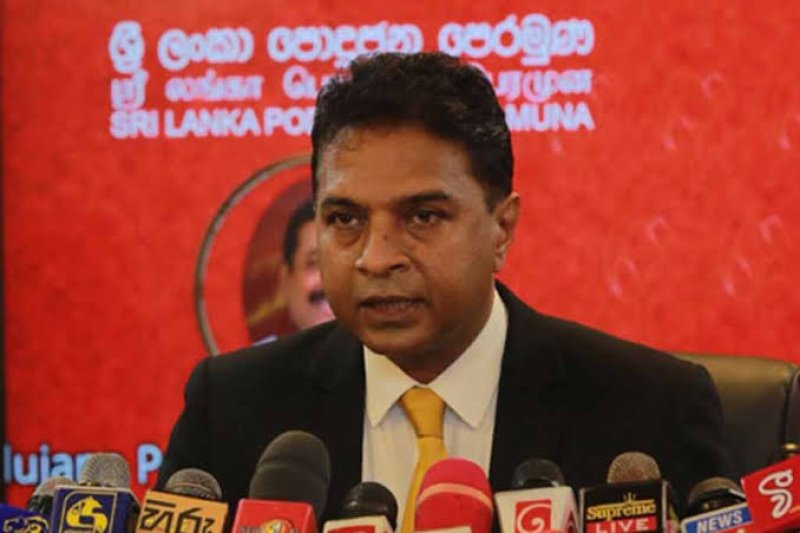
Sri Lanka is set to launch a national assessment and policy review on the impact of social media on children, according to Deputy Minister of Digital Economy Eranga Weeraratne.
The initiative will be carried out jointly by the Ministry of Education, the Ministry of Women and Child Affairs, and the Ministry of Digital Economy. It aims to examine how social media affects children’s safety, education, physical and mental health, cybersecurity, and overall wellbeing.
The Deputy Minister stated that the process will actively involve experts from multiple fields, including child protection, education, health, mental health, cybersecurity, law, and research, while also incorporating the voices of civil society and young people.
Addressing growing parental concerns, he noted that many parents in Sri Lanka struggle to protect their children from the negative effects of social media. While emphasizing that children should not be denied access to technology, he acknowledged that social media also offers educational, creative, and communication benefits. However, he stressed that the online environment has increasingly become unsafe, addictive, and psychologically harmful for children.
According to the Deputy Minister, excessive social media use has negatively impacted children’s sleep patterns, academic performance, friendships, and mental wellbeing. In some cases, attempts by parents to limit usage have resulted in aggressive behavior, anger, and emotional distress among children.
He further highlighted serious risks such as cyberbullying, exposure to violent, sexual, or age-inappropriate content, and algorithm-driven recommendations that encourage harmful addiction. Certain online games, he warned, have even prompted children to engage in dangerous activities, with extreme cases leading to self-harm and suicide.
As a result, ensuring children’s online safety has become a national priority in many countries. Sri Lanka’s approach, he explained, will be guided by three core principles:
Child safety as a non-negotiable priority
Evidence-based and research-driven decision-making
Protection of rights and privacy, avoiding excessive surveillance
Balancing rights, safety, and innovation will remain central to the government’s strategy.
The Deputy Minister added that Sri Lanka will study international best practices and adapt them to local needs. As a first step, discussions are already underway with relevant ministries to initiate the national assessment and policy review.
He emphasized that this is not a challenge the government can solve alone, calling on parents, teachers, children, professionals, and all stakeholders to work together to create a digital environment where children can use technology safely and productively.