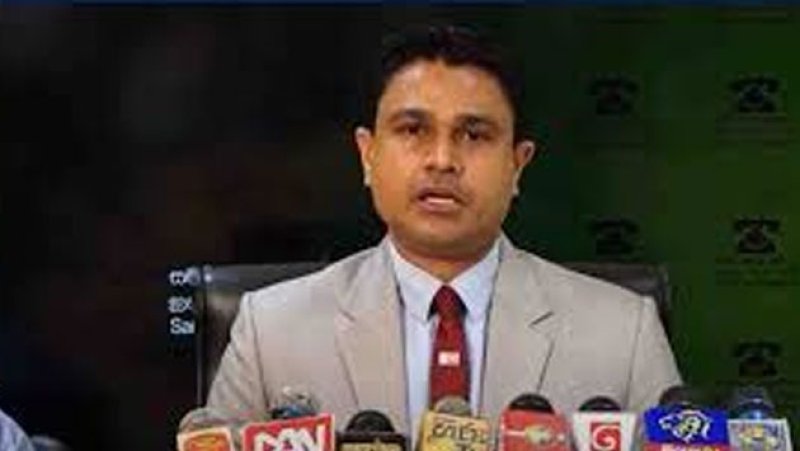
The island-wide strike by doctors today is not just about their own concerns but serves as a warning to the government about the serious crises facing Sri Lanka’s public health services, Medical and Civil Rights Doctors’ Trade Union President Dr. Chamal Sanjiva said.
Dr. Sanjiva highlighted that compared to doctors in developed countries, Sri Lankan doctors receive very low salaries, despite handling far more patients than the World Health Organization recommends. While WHO guidelines suggest one doctor per 1,000 people, in Sri Lanka the ratio is around one doctor per 1,750 people, significantly increasing the workload of healthcare professionals.
He also pointed out that Sri Lankan doctors earn far less than their counterparts in other Asian countries. For example, a doctor in Singapore earns an annual income of around USD 200,000, while a Sri Lankan doctor earns approximately USD 10,000. Despite facing multiple challenges—including shortages of medicines, surgical equipment, and technical testing facilities—doctors continue to maintain essential health services without adequate recognition or compensation from any government.
Dr. Sanjiva further noted that when the current government came to power, it had promised to safeguard the professional respect, job security, and independence of doctors. However, the ongoing strike reflects the failure to fully implement these commitments.
He stressed that over the past few years, nearly 2,000 doctors have left the country, while the public health system faces shortages in human resources, infrastructure, and proper implementation of national health policies. Doctors are forced to continue providing essential services under these difficult conditions, making government intervention critical to address their concerns and ensure the sustainability of public healthcare.
The strike, according to Dr. Sanjiva, is therefore a necessary step to draw attention to these systemic problems and to urge the government to take immediate action.