Health authorities yesterday stressed the importance of early detection and public awareness after data revealed that children account for nearly 10 per cent of newly reported leprosy cases in Sri Lanka.
Director of the Ministry of Health’s Leprosy Eradication Campaign, Dr. Yasoma Weerasekara, said 123 children under the age of 15 were among the 1,282 new leprosy patients identified in 2025. She made these remarks at a media briefing held in Colombo to mark World Leprosy Day on January 25.
Highlighting delays in seeking treatment, Dr. Weerasekara said around eight per cent of new and relapsed patients already suffer from disabilities by the time they present for medical care. She said targeted interventions are now being strengthened to prevent disability through timely diagnosis and continuous treatment.
She noted that a special nationwide programme has been introduced to detect cases early, screen close contacts of patients, and provide comprehensive testing, treatment, and counselling to curb the spread of the disease.
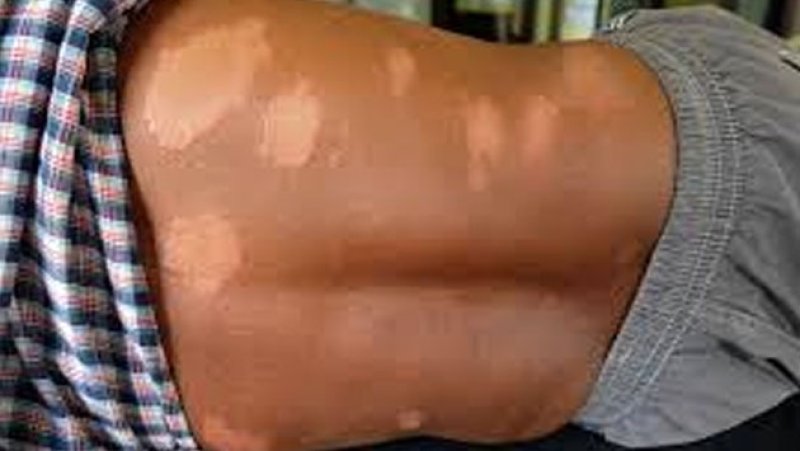
Reassuring the public, Dr. Weerasekara said leprosy treatment and related services are provided free of charge at government hospitals. She urged those experiencing symptoms such as skin patches or numbness to seek medical advice promptly through public health authorities, while calling on the public to dispel myths and stigma associated with the disease.
Meanwhile, Dermatologist at the Central Leprosy Clinic of the Colombo National Hospital, Dr. Chathurarya Siriwardena, said leprosy is a slow-developing illness and is not easily transmitted.
He explained that although the disease primarily affects the skin, untreated cases can progress to involve organs such as the eyes and nose. Transmission, he said, can occur through prolonged close contact with untreated patients, particularly when bacteria are released through coughing or sneezing.
Dr. Siriwardena also noted that the majority of Sri Lankans—about 95 per cent—possess natural immunity to leprosy, with only a small percentage of exposed individuals at risk of developing the disease.