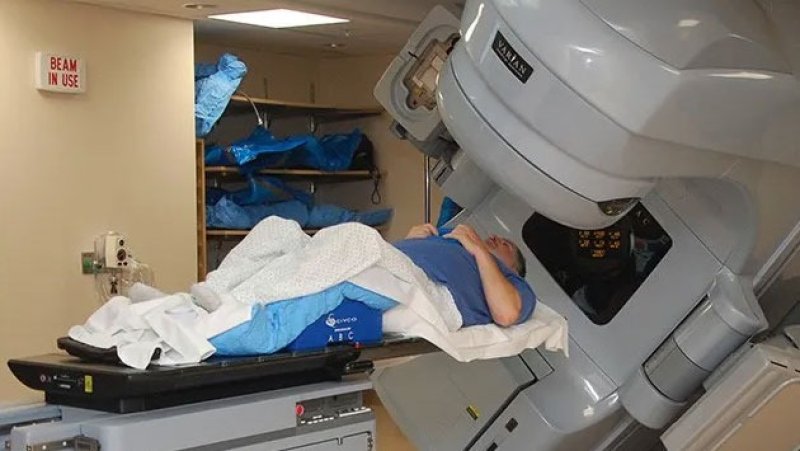
Medical experts have raised serious concerns over delays in procuring modern radiotherapy machines in Sri Lanka, warning that outdated equipment is contributing to higher mortality rates and a decline in the quality of life for cancer patients.
Dr. Chamal Sanjeewa, Chairman of the Medical and Civil Rights Doctors’ Trade Union Alliance, said the lack of advanced radiotherapy technology affects patients with cervical, endometrial, prostate, rectal, anal, breast, head, neck, and skin cancers. He noted that inefficiency and fund mismanagement within the Ministry of Health have caused continuous delays in acquiring these critical machines, despite proposals from the Treasury and the Asian Development Bank.
The procurement process reportedly faced significant delays during the tenure of former Health Minister Keheliya Rambukkala, with allegations that former Health Secretary Janaka Chandragupta sought to either delay purchases further or procure lower-quality machines to benefit the private sector. Dr. Sanjeewa questioned whether similar delays under successive Health Ministers were intended to divert patients to private hospitals.
Recent reports indicate that a small, influential private sector group is attempting to pressure the Ministry of Health to block the purchase of modern brachytherapy units, essential for treating cervical, prostate, and certain breast cancers. Dr. Sanjeewa said the group’s aim appears to be to prevent government hospitals from upgrading services, directing patients instead to private facilities.
Currently, brachytherapy services are outdated and limited to cervical and endometrial cancers, leaving many patients without proper treatment. “The outdated techniques contribute to very high mortality rates, despite ongoing cervical cancer screening,” Dr. Sanjeewa said.
Under the planned upgrades, provincial cancer units will receive linear accelerators, modern brachytherapy units with imaging, CT simulators, and dosimetry kits. A fully equipped brachytherapy unit has been approved for Galle National Hospital, while similar upgrades are proposed for the National Cancer Institute/Maharagama Apeksha Hospital, Kandy National Hospital, and other provincial hospitals.
Dr. Sanjeewa called on health authorities to consult medical professionals and the Sri Lanka College of Oncologists (SLCO) and expedite procurement to modernize brachytherapy services. He questioned why a government that can purchase expensive vehicles for ministers cannot prioritize life-saving radiotherapy machines for patients.
The warnings highlight growing concern over access to advanced cancer treatment in Sri Lanka and the urgent need for decisive government action.